From Set to Digital Ecosystem: Audiovisual Distribution Strategies That Transform Your Project’s Suc
Discover how audiovisual distribution strategies can take your project from set to digital ecosystem, increasing visibility, audience engagement, and long-term success.
2/19/202612 min read
Introduction
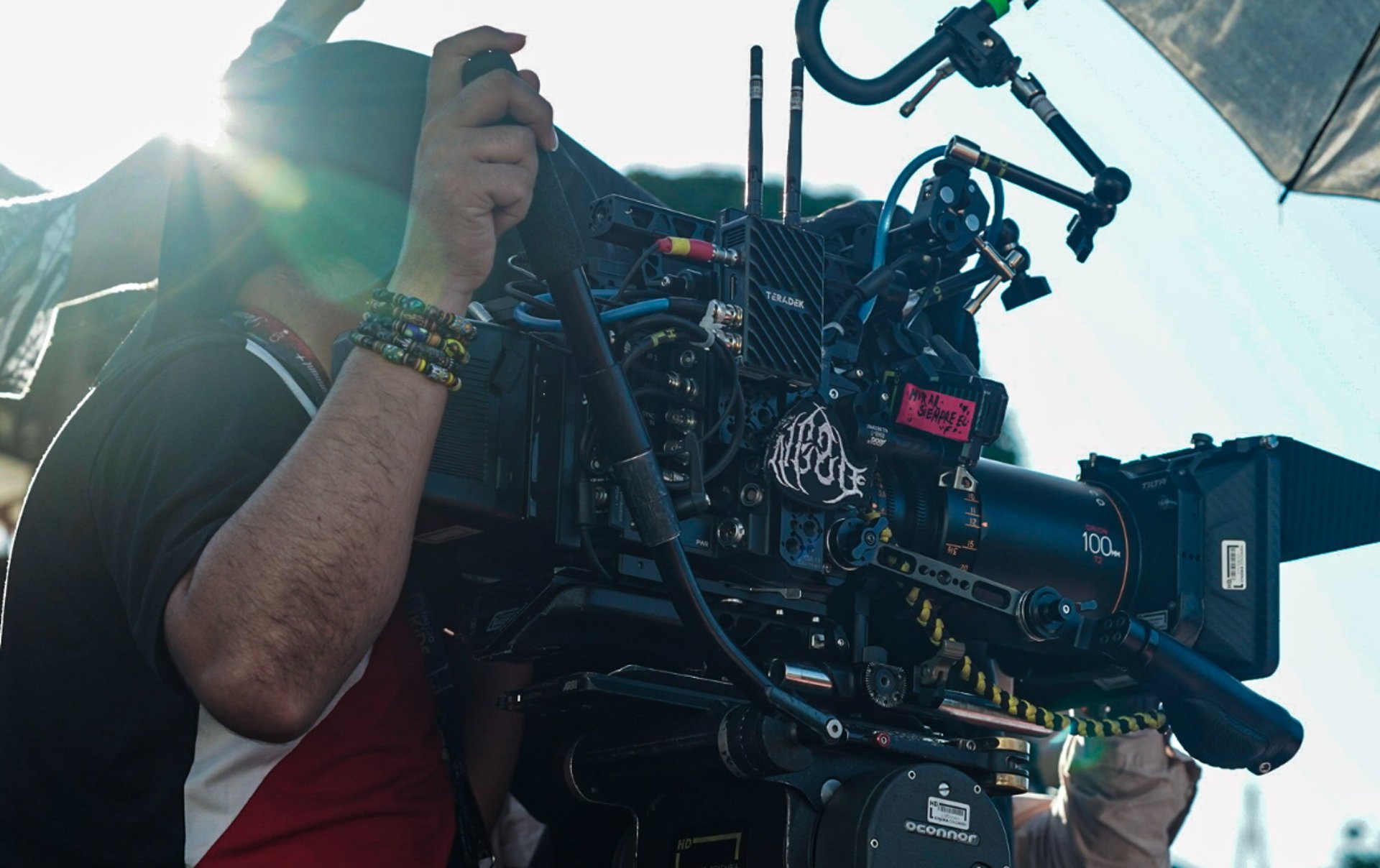
For decades, the success of an audiovisual project was almost exclusively linked to its technical quality, aesthetic proposal, or the strength of its narrative. Having a compelling story, a solid team, and careful execution seemed enough to guarantee visibility and recognition.
However, today’s landscape has changed dramatically. Audiovisual production now competes in a saturated, fragmented environment dominated by digital platforms where thousands of pieces of content are published every day.
In this new context, the true differentiator is no longer just what is produced, but how, when, and where an audiovisual work is distributed. A project can be creatively flawless and still go unnoticed if it lacks a clear strategy to connect with its audience. This is where distribution stops being a final stage and becomes an essential part of both the creative and strategic process.
Moving from the set to the digital ecosystem means understanding that a project’s life does not end when the cameras stop rolling. On the contrary, an equally decisive phase begins: its circulation within a dynamic, constantly evolving, and highly competitive digital environment.
Video platforms, social networks, websites, digital communities, and new consumption formats demand a rethinking of how audiovisual content is presented, adapted, and positioned.
In this scenario, audiovisual distribution strategies become fundamental tools to amplify reach, generate real impact, and ensure sustainability in the short, medium, and long term. Well-planned distribution does more than secure views — it builds audiences, strengthens project identity, and opens new creative and commercial opportunities.
Throughout this article, we explore how a distribution strategy designed from the very beginning can completely transform the destiny of an audiovisual project — guiding it from its origin on set to its consolidation within the digital ecosystem, where much of its success is defined today.
What Are Audiovisual Distribution Strategies and Why Are They Decisive?
Audiovisual distribution strategies are the set of strategic decisions that determine how a piece of content leaves the production space and successfully integrates into the digital ecosystem. It is not merely about uploading a video or sharing a link, but about designing a deliberate pathway that allows content to find its audience, create impact, and fulfill a specific objective.
Today, distribution has become an extension of the creative process. Every decision — from format, duration, and channel to launch timing — directly influences how audiences perceive, consume, and share the content.
These strategies typically include:
Platform selection, recognizing that each digital space has distinct dynamics, audiences, and algorithms.
Timing and release planning aligned with cultural contexts, trends, and consumption habits.
Format and duration adaptation for each channel’s technical and narrative requirements.
Promotion and amplification actions beyond organic publication.
Metrics and performance evaluation to measure results and optimize future decisions.
In a content-saturated environment, visibility does not happen organically. Even the strongest productions can disappear without proper planning.
When audiovisual distribution strategies are designed consciously, projects gain new possibilities: generating conversation, building communities, strengthening brand identity, and opening doors to festivals, partnerships, funding, or new narrative developments. Distribution is not just exposure — it is positioning, connecting, and extending the life cycle of content.

From Set to the Digital Ecosystem: Understanding the New Content Journey
In the past, audiovisual distribution followed a relatively linear path: production, exhibition in a specific medium (cinema, television, or event), and conclusion.
Today, that path is dynamic, fragmented, and deeply digital. Content no longer ends with a single screening. Instead, it adapts, evolves, and redistributes continuously across multiple platforms and formats.
A feature film, documentary, music video, or branded piece now exists not as a single closed work, but as a constellation of related content — clips, fragments, derivatives, behind-the-scenes material, and complementary pieces.
The digital ecosystem includes:
Video-on-demand platforms, allowing long-term exhibition and sustained access.
Social media platforms, where audiovisual content drives visibility, interaction, and community building.
Owned websites, acting as brand control centers and positioning hubs.
Alternative exhibition spaces, such as digital festivals or niche platforms.
Digital communities, which not only consume content but reinterpret and amplify it.
Understanding this ecosystem means recognizing distribution as a continuous process rather than a single action.

Planning Audiovisual Distribution Strategies from Pre-Production
One of the most common mistakes in audiovisual projects is treating distribution as an afterthought.
The most effective audiovisual distribution strategies begin during pre-production, when creative and technical decisions can still shape how content will circulate and be consumed.
Thinking about distribution early means:
Defining the primary objective (brand positioning, artistic recognition, social impact, monetization, audience growth).
Clearly identifying the target audience and its consumption habits.
Selecting primary platforms before production begins.
Planning additional formats such as trailers, teasers, vertical clips, and promotional assets.
When distribution is integrated into pre-production, the project is conceived as a multi-platform experience from the outset. This reduces improvisation, optimizes resources, and aligns creativity with strategic goals.
Distribution planning does not limit creativity — it strengthens it

Digital Platforms: The Core of Audiovisual Distribution Strategies
Digital platforms are central to any distribution strategy. Each one plays a different role within the ecosystem.
YouTube and Video Platforms
Video platforms remain foundational for long-form content.
YouTube, in particular, functions as a hybrid between social network, search engine, and audiovisual archive. SEO optimization, audience retention, and channel coherence are crucial for long-term visibility.
These platforms support deeper viewer relationships and sustained audience growth.
Social Media (Instagram, TikTok, Facebook)
Social media platforms prioritize immediacy, emotional impact, and short-form content.
Here, the objective is not necessarily to present the entire project, but to spark interest, generate interaction, and humanize the creative process.
Short clips, vertical edits, behind-the-scenes content, and dynamic teasers serve as visibility engines that amplify reach and drive traffic to primary platforms.
Owned Websites and Closed Ecosystems
An owned website is one of the most valuable assets within audiovisual distribution strategies.
Unlike external platforms, a website offers complete control over brand narrative, user experience, and conversion strategy. It becomes the convergence point for videos, written content, project information, and calls to action.
Additionally, websites strengthen search engine positioning and long-term brand authority.
Content Adaptation: One Piece, Multiple Formats
Modern audiovisual distribution demands flexibility, precision, and strategic thinking. In today’s digital ecosystem, content cannot circulate identically across all platforms because each one operates under distinct technical, narrative, and behavioral dynamics. A horizontal long-form video designed for YouTube will not function the same way on TikTok. A cinematic trailer built for a website homepage will not generate the same engagement when posted without adaptation on Instagram Stories.
This is why content adaptation has become a cornerstone of effective audiovisual distribution strategies.
Adaptation does not mean fragmenting content randomly or repurposing it without intention. It means reinterpreting a single audiovisual piece into multiple formats while preserving its narrative essence, aesthetic identity, and strategic objective. The goal is coherence across platforms — not duplication.
Understanding Platform Logic
Each digital space has its own logic:
Attention span varies dramatically between platforms.
Screen orientation (horizontal vs. vertical) shapes visual composition.
Algorithm behavior influences discoverability and engagement.
Audience expectations determine tone, pacing, and storytelling style.
Adapting content means designing variations that respond to these variables while reinforcing the same core message.
For example, a documentary may exist in its full version on a video platform, while social media may host emotionally powerful micro-moments extracted from it. Meanwhile, the project’s website may present contextual analysis, behind-the-scenes insights, and press materials that deepen the viewer’s understanding.
Each format serves a different function within the ecosystem — awareness, engagement, conversion, or retention.
Key Adaptation Formats Within Audiovisual Distribution Strategies
A strong adaptation plan may include:
Platform-specific trailers and teasers
Short-form edits crafted specifically for social media, optimized for immediate impact within the first few seconds. These pieces focus on curiosity and emotional resonance rather than comprehensive storytelling.Vertical, mobile-first clips
With mobile consumption dominating global traffic, vertical content is no longer optional. Reframing shots and selecting visually powerful moments ensures the project integrates naturally into mobile feeds without compromising visual quality.Thematic fragments highlighting key moments
Extracting scenes centered around powerful quotes, emotional peaks, or visually striking sequences allows the project to connect with niche interests and specific audience segments. These fragments function as entry points into the broader narrative.Behind-the-scenes and process-based content
Audiences increasingly value transparency and creative insight. Showing the production process humanizes the project and strengthens community engagement.Educational or value-driven micro-content
If the project addresses social, artistic, or technical themes, adapting segments into informative short pieces can position the brand as an authority within its field.Blog articles integrated with SEO strategy
Written content contextualizes the audiovisual piece and strengthens search engine positioning. Articles, interviews, production insights, or thematic explorations extend discoverability beyond video-based platforms. This integration enhances long-term organic traffic.Email and newsletter adaptations
Highlighting specific fragments or milestones in direct communication channels reinforces audience retention and long-term relationship building.
Strategic Expansion, Not Repetition
When multiple derivatives are created from a single core piece, the project’s lifespan expands significantly. Instead of relying on a single release date, the content becomes part of a sustained narrative cycle. Each adapted format reignites interest and maintains visibility over time.
This approach transforms distribution from a one-time event into a continuous storytelling ecosystem.
Importantly, adaptation should be planned during pre-production and editing phases. Capturing additional vertical framing options, recording behind-the-scenes footage, and identifying key narrative beats early on reduces future limitations and maximizes flexibility.
In strategic terms, adaptation achieves three critical objectives:
Extended lifespan – The project remains active across different timelines.
Expanded reach – Different formats connect with different audience behaviors.
Strengthened positioning – Consistent yet diversified presence reinforces brand identity.
Adaptation is not repetition — it is strategic expansion. It ensures that a single audiovisual creation evolves into a multi-layered digital experience capable of thriving within a fragmented and competitive ecosystem.
In contemporary audiovisual distribution strategies, the question is no longer whether to adapt content, but how intelligently and intentionally that adaptation is designed.
Promotion, Visibility, and Positioning
Distribution alone is not enough. In today’s saturated digital ecosystem, simply making content available does not guarantee that it will be seen, remembered, or valued. Promotion is what transforms distribution into visibility — and visibility into positioning.
Within effective audiovisual distribution strategies, promotion is not a secondary action but a structured and sustained effort designed to ensure that the project reaches the right audiences, at the right time, with the right message.
In a landscape where algorithms prioritize engagement, competition is constant, and attention spans are limited, promotion becomes the engine that drives discoverability and reinforces relevance.
Paid Digital Campaigns: Strategic Amplification
Organic reach has limitations. While valuable, it rarely provides the scale necessary to position a project quickly in competitive environments.
Paid digital campaigns allow for strategic amplification by targeting segmented audiences based on interests, behaviors, demographics, and geographic locations. This precision ensures that promotional efforts are not wasted on broad, undefined audiences but directed toward those most likely to engage meaningfully with the content.
Well-designed campaigns can serve multiple objectives within audiovisual distribution strategies:
Increasing initial visibility during launch phases.
Driving traffic to a website or primary platform.
Retargeting users who previously interacted with the project.
Supporting long-term brand awareness campaigns.
Beyond impressions and clicks, paid promotion provides measurable data that informs future distribution decisions, making it both a visibility tool and a strategic learning mechanism.
Strategic Collaborations and Partnerships
Promotion becomes significantly more powerful when it extends beyond a single brand’s ecosystem.
Collaborations with creators, media outlets, institutions, cultural organizations, or aligned brands introduce the project to audiences that already trust those partners. This borrowed credibility accelerates positioning and reinforces legitimacy.
Strategic partnerships within audiovisual distribution strategies may include:
Influencer collaborations that align with the project’s theme.
Media features and interviews that contextualize the work.
Cross-promotional campaigns with cultural or educational institutions.
Festival circuits and curated digital showcases.
These alliances do more than increase reach — they embed the project within relevant cultural and professional networks.
Community Activation: From Audience to Advocates
Visibility grows stronger when audiences become participants rather than passive viewers.
Community activation strategies focus on building interaction, dialogue, and shared ownership around the project. Instead of treating promotion as one-way communication, this approach encourages conversation and collective engagement.
Examples include:
Interactive Q&A sessions or live discussions.
User-generated content campaigns.
Exclusive previews for loyal followers.
Thematic discussions aligned with the project’s core message.
When audiences feel connected to the narrative and process, they are more likely to share, recommend, and sustain interest organically. In long-term audiovisual distribution strategies, community becomes one of the most valuable assets.
Staggered Launch Strategies: Sustained Attention
One of the most common promotional mistakes is concentrating all visibility efforts on a single launch day. While premieres are important, attention fades quickly without continuity.
A staggered launch strategy builds anticipation before release and sustains conversation afterward. This phased approach may include:
Pre-launch teasers and countdown content.
Behind-the-scenes previews.
Exclusive early-access screenings.
Post-launch interviews, commentary, and derivative content.
This method transforms promotion into a timeline rather than a moment. It ensures that the project remains active within the digital conversation for weeks or months instead of days.
Positioning: Beyond Views and Metrics
While views, likes, and shares are measurable indicators, positioning operates on a deeper level.
Positioning means occupying a clear, differentiated space in the audience’s mind. It is about identity, perception, and association. A well-positioned audiovisual project is not just seen — it is recognized, remembered, and understood within a specific context.
Effective positioning answers key questions:
What does this project represent?
What values does it embody?
Who is it for?
Why does it matter?
When promotion is aligned with consistent messaging, visual identity, and narrative coherence, it strengthens long-term brand presence. Over time, each project contributes to a broader reputation, reinforcing the identity of the creator, production company, or creative team behind it.
Promotion as a Strategic Investment
Within contemporary audiovisual distribution strategies, promotion should be understood as an investment rather than an expense. It supports immediate visibility while building sustainable recognition and authority in the digital ecosystem.
Ultimately, promotion bridges the gap between content and impact. It ensures that a project not only exists within the digital landscape but actively competes, connects, and positions itself meaningfully within it.
In a market defined by noise and fragmentation, visibility must be intentional — and positioning must be strategic.

How Audiovisual Distribution Strategies Drive Long-Term Success
The true value of audiovisual distribution strategies does not reveal itself in the first week after release. It becomes evident over time — in the consistency of visibility, in the growth of audience relationships, and in the accumulation of opportunities that arise from sustained digital presence.
In the contemporary media landscape, success is no longer defined solely by premiere numbers or initial reach. Instead, it is measured by circulation, permanence, adaptability, and meaningful engagement over extended periods. Strategic distribution transforms a single release into an evolving digital asset.
Sustained Visibility Beyond the Initial Release
In traditional distribution models, audiovisual projects often had a clearly defined lifespan: theatrical run, broadcast window, or festival circuit — and then gradual disappearance.
The digital ecosystem has redefined that logic. When supported by intentional audiovisual distribution strategies, a project can remain discoverable months or even years after its premiere.
Search engine optimization, content repurposing, algorithm-friendly updates, and cross-platform integration allow audiovisual works to re-enter conversations repeatedly. Instead of relying solely on launch momentum, distribution becomes a long-term visibility engine.
This sustained discoverability ensures that new audiences continue to encounter the project organically, long after its initial campaign has ended.
Organic Audience Building
One of the most powerful long-term outcomes of strategic distribution is the gradual construction of a loyal audience.
Rather than focusing exclusively on isolated viewers, well-designed audiovisual distribution strategies aim to cultivate communities. These communities:
Follow future releases.
Engage consistently across platforms.
Share and recommend content organically.
Provide feedback and interaction that strengthen brand credibility.
Over time, this audience becomes an independent growth driver. Instead of depending entirely on paid promotion or platform algorithms, the project develops a stable base of recurring viewers who actively support its evolution.
Audience building is cumulative. Each project reinforces the next, creating continuity and long-term relevance.
Expanded Commercial and Creative Opportunities
Visibility and positioning naturally open doors.
When a project circulates effectively and maintains digital presence, it becomes more attractive to:
Brands seeking partnerships.
Cultural institutions and festivals.
Streaming platforms.
Investors and co-producers.
Media outlets and press coverage.
Strong audiovisual distribution strategies signal professionalism, strategic thinking, and market awareness. Decision-makers are more likely to collaborate with projects that demonstrate not only creative excellence but also distribution intelligence.
Additionally, sustained circulation increases the potential for monetization models such as licensing, advertising revenue, educational distribution, or international sales.
National and International Projection
The digital ecosystem removes many traditional geographic limitations.
With the right distribution approach — including multilingual optimization, cross-border targeting, and platform diversification — audiovisual content can reach audiences far beyond its original production territory.
International projection is no longer exclusive to large studios. Independent creators and production companies can position their work globally through deliberate audiovisual distribution strategies.
This expansion enhances cultural exchange, broadens audience diversity, and strengthens the project’s overall market value.
Stronger Brand Identity and Authority
Perhaps one of the most significant long-term impacts of strategic distribution is brand consolidation.
Each project contributes to a broader narrative about the creator or production company behind it. When distribution is consistent in tone, visual identity, and messaging, it reinforces recognition and trust.
Over time, audiences begin to associate certain qualities — innovation, depth, social awareness, aesthetic precision — with the brand itself.
This brand authority creates momentum. Future projects launch from a stronger starting point because credibility has already been established.
From Content to Digital Asset
Strategic distribution transforms audiovisual content from a temporary release into a long-term digital asset.
Instead of fading after its debut, the project continues to:
Generate traffic.
Build recognition.
Strengthen industry relationships.
Contribute to portfolio value.
In this sense, audiovisual distribution strategies bridge creation and longevity. They ensure that the energy invested during production continues generating impact well beyond the editing room.
Contemporary audiovisual success is not about producing more content — it is about ensuring that each piece lives meaningfully within the digital ecosystem.
Strategic distribution turns visibility into permanence, and permanence into sustained growth.
Distribute Strategically to Grow: The Next Step for Your Audiovisual Project
Understanding the power of audiovisual distribution strategies is only the first step. Implementation tailored to each project’s unique goals and audience is what drives real results.
At La Villa Producciones, we see distribution as an extension of the creative process. We support projects from conception to digital positioning, designing strategies that ensure stories not only get produced — but reach audiences, endure, and generate meaningful impact.
If you are developing an audiovisual project and want to expand its reach, strengthen its digital presence, or build a sustainable distribution strategy, the next step is to treat distribution as a strategic investment rather than a final complement.
📩 Let’s talk about how to take your project from the set to the digital ecosystem with a distribution strategy designed for growth.
👉 Discover more content about production, distribution, and audiovisual strategies at:
https://lavillaproducciones.com/blog-list
Los mejores artistas recomiendan LA VILLA PRODUCCIONES