Production Services Quotation in Colombia for Feature Films
Production Services Quotation in Colombia for Feature Films: A Comprehensive Guide to Planning Costs, Optimizing Your Budget, and Executing a Professional Shoot
10/22/202514 min read
Introduction
The film industry in Colombia has experienced sustained growth over the past decade, establishing itself as one of the most dynamic and competitive audiovisual ecosystems in Latin America. This rise is no coincidence: it is the result of a strategic combination of highly skilled talent, an expanding technical infrastructure, unparalleled geographic diversity, and a solid framework of government incentives that have transformed the country into an ideal destination for feature-film production. Thanks to this environment, both national production companies and major international studios have found in Colombia a versatile territory that offers quality, competitive costs, and an attractive legal framework for investing in projects of any scale.
In this context of rapid growth and increasing professionalization, understanding in depth how feature-film production quotes are structured in Colombia becomes a crucial step in the planning process. Preparing an accurate quote is not merely about estimating prices; it involves analyzing the real needs of the script, anticipating logistical demands, optimizing resources, and designing a solid budget that ensures the operational viability of the shoot. A well-built quote is, essentially, a strategic tool that allows the creative, technical, and financial teams to make informed decisions, align with international standards, and prevent deviations that could compromise the project’s schedule, quality, or safety.
Furthermore, in a country where tax benefits, reimbursements, and state incentives can significantly impact the final cost, understanding how these mechanisms integrate into the budget is essential. Every choice affects the financial structure—from selecting the technical and artistic crew, to determining locations, choosing specialized equipment, hiring local vendors, and planning overall logistics.
This article explores each of these variables with a practical, updated, and professional approach. Its purpose is to offer a clear guide that explains how production costs are built, which factors influence their variation, what the main advantages of producing in Colombia are, and what steps filmmakers should follow when requesting an accurate, competitive, and fully tailored quote for their feature film.
1. Current Landscape of Audiovisual Production in Colombia
Colombia has become one of the most important audiovisual destinations in Latin America, driven by a strategic combination of economic, creative, technical, and geographic factors. The country’s film ecosystem has evolved rapidly thanks to the strengthening of local production companies, the arrival of major international studios, the growing professionalization of national talent, and the implementation of public policies that encourage sector development.
Colombia offers an attractive balance between quality and cost, enabling productions of all scales—from independent films to large-scale projects with Hollywood standards—to find a solid operational structure to produce efficiently.
Industry Growth
The expansion of Colombia’s film industry is reflected not only in the increasing number of productions filmed in the country, but also in the technical and logistical capabilities that have been consolidated over the last decade. Key trends include:
According to data compiled by Proimágenes Colombia for 2024, more than 200 international productions have come to the country in recent years. This includes feature films, series, commercials, and hybrid projects.
Law 1556 of 2012, along with its subsequent updates, has been a decisive driver. The legislation has encouraged foreign investment by offering substantial rebates on audiovisual expenditures made within Colombia—resulting in financial benefits ranging from approximately 30% to 40% for productions that meet the program’s requirements.
The ecosystem of film schools, rental houses, post-production studios, color labs, sound facilities, and production-service offices has strengthened significantly. This enables the country to take on projects with demanding schedules, high technical standards, and rigorous safety protocols.
Global studios such as Amazon, Netflix, NBCUniversal, Sony, and Dynamo have chosen to shoot in Colombia, continuously elevating the technical standards of the national industry.
Collectively, these elements have produced a much more robust audiovisual chain and have raised the level of professionalism in how budgets and feature-film quotations are structured.
Competitive Advantages
What sets Colombia apart from other audiovisual destinations in the region is the combination of its visual diversity and an industry capable of delivering specialized services at competitive costs. Notable advantages include:
Exceptional geographic diversity: Within a few hours, productions can access mountains, jungles, deserts, beaches, rivers, modern cities, colonial towns, plains, and rural landscapes. This reduces travel-related expenses and facilitates projects that require multiple environments.
Highly skilled talent pool: Colombian technicians have solidified their reputation as competitive international professionals. Departments such as cinematography, production design, sound, production management, and logistics coordination are recognized for their quality, efficiency, and adaptability.
Strong financial incentives: The CINA and FFC programs have positioned Colombia among the most attractive countries for foreign and large-scale national productions seeking reliable financial returns. When combined with operational costs that are lower than those in countries like Mexico or Argentina, the result is a highly competitive market.
Solid production infrastructure: The country has production companies with extensive experience in international projects, state-of-the-art equipment rental houses, certified post-production facilities, and a network of reliable suppliers covering everything from logistics to set construction.
A Growing Professionalized Sector
The steady increase in production demand has helped standardize processes—especially regarding budgeting and cost breakdown for feature films.
Today, Colombian production companies work with detailed methodologies, clear formats, and precise technical breakdowns, making planning straightforward for both local and international clients. Furthermore, the accumulated experience in complex shoots has optimized timelines, minimized cost overruns, and elevated the overall quality of final deliverables.
As a result, Colombia is not only a cost-effective destination, but also a reliable space to develop feature-film projects under high professional standards.
2. Factors That Influence the Budget of a Feature Film
The budget for a feature film is one of the most important documents in the planning stage. It allows the production team to clearly understand the financial scope of the project and anticipate the resources needed to bring the script to the screen. Preparing it properly requires an in-depth analysis of technical, artistic, human, logistical, and financial variables. Each of these elements can modify the project’s final cost, so it is essential to understand how they interrelate and how they impact the overall budget.
Below are the factors that most strongly influence the structure of a professional film budget.
1. Script Length
The script is the starting point and one of the most decisive elements in building a budget.
Its length is not only measured by page count but also by the nature of the scenes it contains.
Key aspects that affect the cost include:
Total number of scenes: A script with many short scenes may be more expensive than one with fewer but longer scenes, as transitions require camera repositioning, logistics, makeup, or art resets.
Number of locations: Each location requires permits, crew transportation, scouting, and specific adjustments; the more locations involved, the higher the cost.
Narrative or visual complexity: Action sequences, night scenes, chases, rain effects, stunt doubles, practical FX, or sequences involving animals significantly increase costs.
Need for built sets: Constructing sets requires design, materials, assembly, skilled labor, and additional time. This can represent a considerable portion of the budget, especially in period pieces or science fiction films.
In summary, the content of the script is the first objective indicator of the production’s scale.
2. Length of the Shoot
The shooting schedule is directly tied to operational costs. A feature film in Colombia typically shoots between 25 and 35 days, although larger productions may extend to 50 days or more depending on genre and visual ambition.
How this factor impacts the budget:
The more shooting days required, the higher the expenses in salaries, logistics, equipment rentals, and consumables.
Night shoots increase costs due to overtime, additional transport, and reinforced safety measures.
A poorly structured schedule can lead to delays and overruns. For this reason, many production companies include an experienced AD during pre-production to optimize days and avoid unnecessary expenses.
3. Type of Production
Each type of feature film has particular characteristics that influence how the budget is structured.
Key differences by type include:
Fiction: Requires more active departments (art, wardrobe, makeup, camera, sound) and usually involves more shooting days.
Documentary: May use a smaller crew but can require complex travel, multiple interviews, and unpredictable filming conditions.
Period films: Almost always more expensive due to specialized wardrobe, set dressing, production design, and built sets.
Action or VFX-heavy films: Require stunt teams, risk coordinators, VFX supervisors, special rigs, and practical effects.
International productions: Demand higher technical and safety standards, along with stricter reporting and contractual formats.
Each format requires a different workflow, and this is reflected in the budget structure.
4. Human Resources
The technical and artistic crew is one of the most important —and most expensive— components of the budget. A feature film requires a solid base crew that generally includes:
Direction
Production
Cinematography
Production design
Production sound
Makeup and hair
Wardrobe
Transport
Catering
Field production
Department assistants and utility personnel
Variables that affect crew costs:
Experience and track record of the staff
Whether crew members are local or foreign (international hires often imply per diems, hotel accommodations, and higher fees)
Total project duration, including pre-production and post-production
Union rules or standardized rates based on the position
Hiring a professional crew guarantees efficiency and quality during the shoot but also requires careful financial planning.
5. Equipment and Technology
The choice of technical package is another determining factor. Depending on the film’s visual style, the cinematographer’s approach, and narrative needs, certain equipment will be selected.
Elements that influence cost include:
High-end cameras: ARRI Alexa Mini LF, RED V-Raptor, Sony Venice, or large-format systems increase rental costs.
Special lenses: Anamorphic, full-frame, vintage sets, or Master Primes can represent a substantial portion of the budget.
Movement equipment: Cranes, remote heads, Steadicam, cinema carts, and high-capacity gimbals.
Drones with certified operators: Particularly in areas requiring special permits or advanced skills.
Professional lighting: HMIs, advanced LED fixtures, RGB panels, and their accessories.
Every technical decision must align with the project’s aesthetic concept and the available budget.
6. Logistics
Logistics is the silent backbone of any production. It represents a significant portion of the budget and is often one of the most variable components, as it depends heavily on the geography of the shoot.
Key logistical aspects that strongly influence the budget:
Ground transportation: buses, vans, art trucks, camera trucks, crew shuttles, and loaders.
Accommodation: hotels according to category, length of stay, and number of people.
Meals: set catering, snacks, hydration, and supplements for long shooting days.
Filming permits: administrative costs depending on the city and on whether the location is public or private.
Security: personnel for zone control, equipment protection, and risk management.
Air travel: for crew, cast, or equipment that needs to move between regions.
While logistics can be optimized, it cannot be avoided. It is essential for preventing delays and ensuring safety.
Common Mistakes When Requesting a Film Budget
Many projects make mistakes that end up inflating the cost or creating inconsistencies that are difficult to fix later.
The most frequent mistakes include:
Not submitting the final script: without a locked document, real costs cannot be estimated.
Hiding expensive scenes: complex sequences must be disclosed from the beginning to prepare an honest budget.
Relying on incomplete or informal budgets: this leads to significant differences between expectations and reality.
Not specifying required technical standards: cameras, lenses, delivery formats, and additional equipment must be defined early on.
A precise budget is the result of detail, transparency, and open communication between the producer, director, and production company.
3. Main Production Services in Colombia
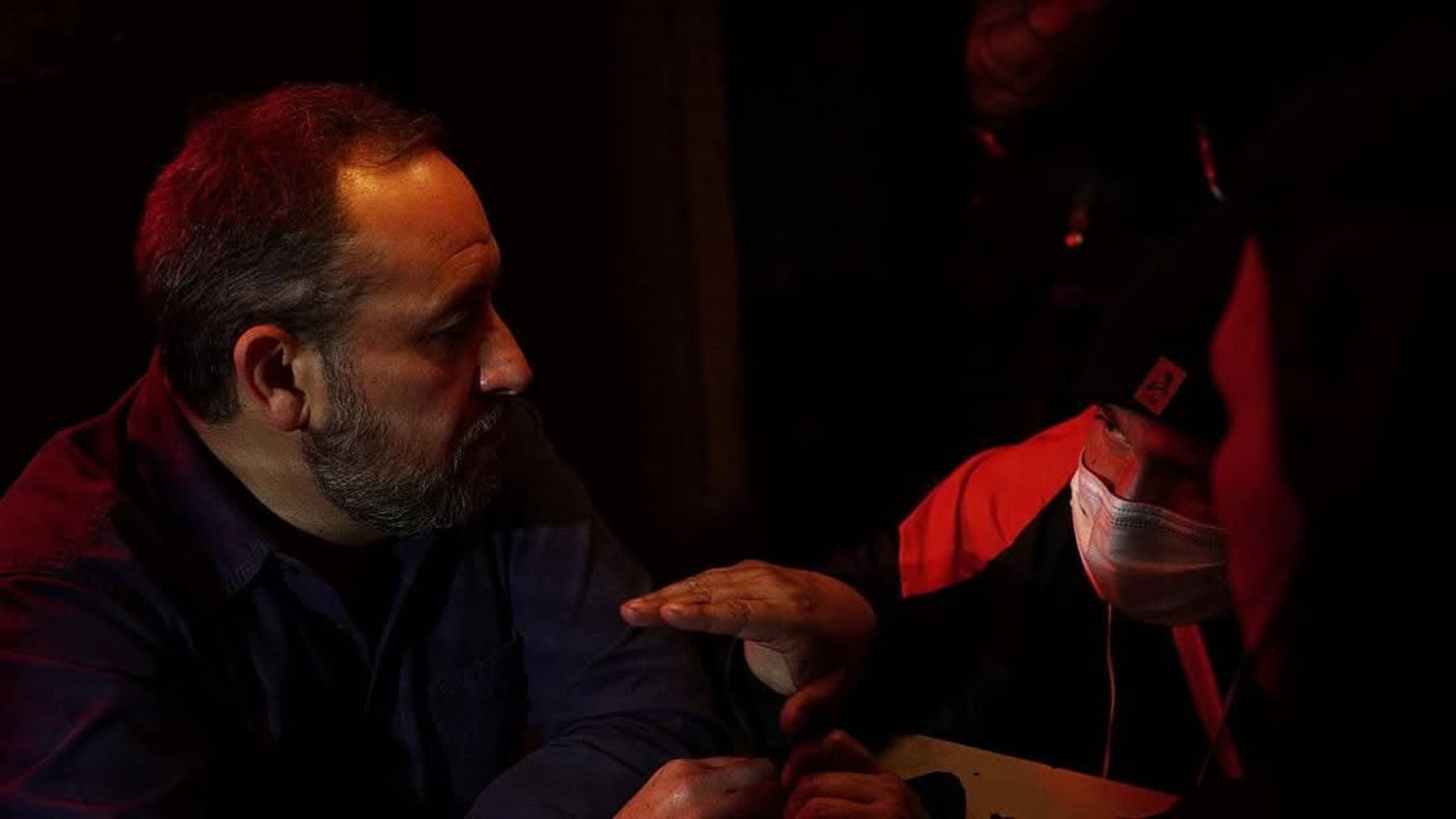
A professional budget for producing a feature film in Colombia usually breaks down every department involved in the process. This allows producers and financiers to clearly understand the real scope of the project, the resources required, and the overall budget. Below is an expanded overview of the most common services included in proposals from Colombian production companies.
1. Production Management and Coordination
This department is the operational backbone of the project. A solid budget will specify:
Executive Producer: Leads the project, makes high-level creative and financial decisions, and oversees all departments.
Line Producer / Head of Production: Manages resources, schedules the shoot, handles budgeting, and organizes day-to-day operations.
Logistics Coordinator: Manages transportation, lodging, catering, insurance, administrative procedures, and timeline management.
Production Assistants: Support operational tasks, equipment handling, time control, and internal communication.
This team ensures that production runs smoothly, optimizes costs, and handles unforeseen issues in real time.
2. Casting and Talent Selection
The budget should include the complete process of securing the right talent:
Lead actors, supporting roles, and ensemble cast
Extras and large-scale background talent
Multicultural casting, specialized casting, and performers with specific skills
In-person auditions and self-tapes
Contract coordination, permissions, and image rights
Real example: Productions such as Mile 22 and The Boy worked with Colombian casting agencies to find international profiles, varied accents, and large-scale extras, requiring a more extensive and detailed casting process within the budget.
3. Scouting and Locations
The locations department is essential in Colombia due to the country’s diverse range of shooting environments. A production quote typically includes:
Location search, visits, and evaluations based on technical and artistic needs
Permits with city halls, cultural entities, private owners, and local authorities
Road closures and coordination with traffic agencies when scenes require managing public roads
Location fees for both public and private spaces
On-set supervision to maintain order, protect the space, and liaise with property owners
Colombia offers competitive advantages such as colonial architecture, natural landscapes, modern cities, and accessible costs.
4. Camera, Lighting, and Grip Equipment
Colombia has a highly competitive rental industry, allowing productions to operate at an international level. Budgets typically specify packages such as:
Digital cinema cameras (ARRI, RED, Sony Venice)
Prime and zoom lenses
LED, HMI, and tungsten lighting
Grip equipment: dollies, sliders, cranes, and accessories
Rental houses such as Congo Films, Babilla Cine, Caracol Next, and Renta Imagen work with standardized rates that adjust to the project’s duration and technical requirements.
5. Art Department and Set Construction
The art department encompasses everything that visually builds the world of the film. A detailed quote includes:
Production Design: Aesthetic concept development, visual references, and implementation plans
Set Construction: Carpentry, painting, dressing, and installation
Props and Set Dressing: Scenic elements, furniture, and story-specific items
Wardrobe and Makeup: Design, purchase or rental of pieces, makeup tests, and on-set continuity
This department is key to the project’s visual identity and is often one of the most creatively intensive budget categories.
6. Post-Production
Finally, the budget includes the stage that shapes the film’s final form:
Assembly and picture editing
Professional color grading under cinematic standards
Sound design and 5.1 or 7.1 mixing, depending on distribution needs
VFX and compositing for digital effects, clean-ups, and animation
Motion graphics for titles, captions, maps, or 2D/3D animation elements
Colombia offers certified studios and recognized specialists capable of handling everything from independent films to international co-productions.
4. Human Resources / Crew
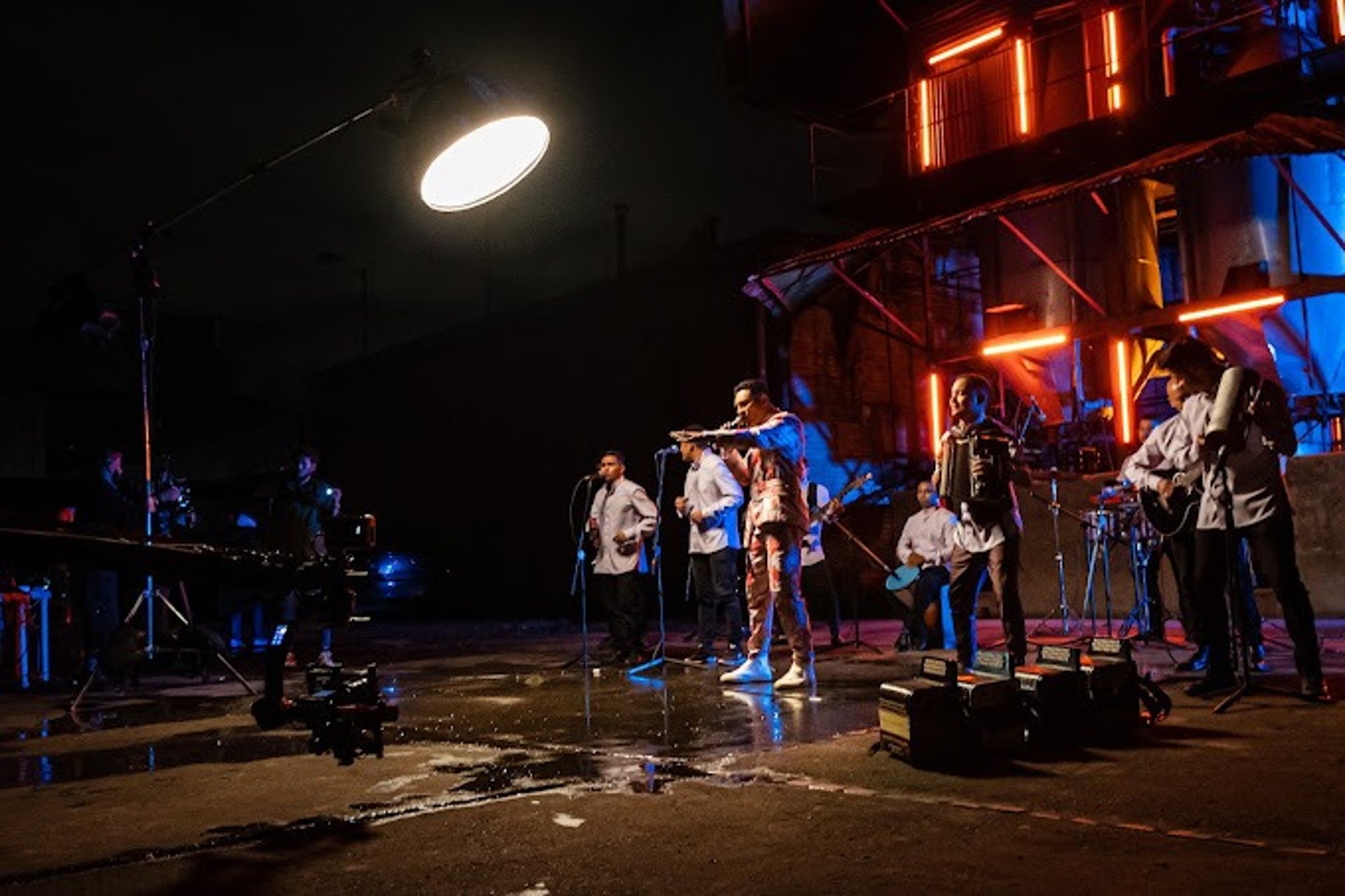
The human team is one of the core components of any audiovisual production and, at the same time, one of the most significant line items within a professional budget. The final outcome of a feature film depends largely on the experience, coordination, and specialization of the people involved. For this reason, it is essential to have a solid and well-structured core crew, where each role directly contributes to the project’s narrative and technical quality.
A feature film in Colombia typically includes a crew composed of:
Director: Responsible for the creative vision, actor direction, and key narrative and aesthetic decisions.
Producer / Production Department: Oversees the budget, schedules, and resources, ensuring all departments operate in sync.
Director of Photography (Cinematographer): Defines the visual language, lighting, camera and lens choices, and supervises the camera and lighting teams.
Production Designer / Art Direction: Builds the aesthetic environment of the project, from sets to color palettes and all scenic elements.
Production Sound Mixer (Sound Department): Captures dialogue, ambiences, and on-set sound effects to ensure a clean audio foundation for post-production.
Makeup & Hair: Defines the physical appearance of the characters according to the script, continuity needs, and the visual style of the film.
Wardrobe / Costume Design: Develops character design through garments that reflect the historical, social, and emotional context.
Transportation: Ensures the mobility of crew, talent, and technical equipment between locations.
Catering: Provides daily meals to maintain the physical and mental performance of the entire team.
Field Production / Unit Production: Handles permits, local logistics, communication with locations, and operational control during shooting.
Department Assistants and Support Staff: Assist with both creative and operational tasks, ensuring workflow efficiency.
Factors Influencing Crew Costs
The personnel budget may vary widely depending on:
Experience and track record of the crew:
Highly recognized or highly specialized professionals often work with higher rates.
Local vs. foreign crew:
Hiring international personnel implies additional costs such as per diems, lodging, transportation, and higher service fees.
Total project duration:
Costs are calculated based on the number of weeks of pre-production, shooting, and post-production in which each crew member must participate.
Unions or standardized rates:
Some roles follow suggested or regulated rate tables established by professional associations, which directly influence the final amount.
5. Art Department & Set Construction
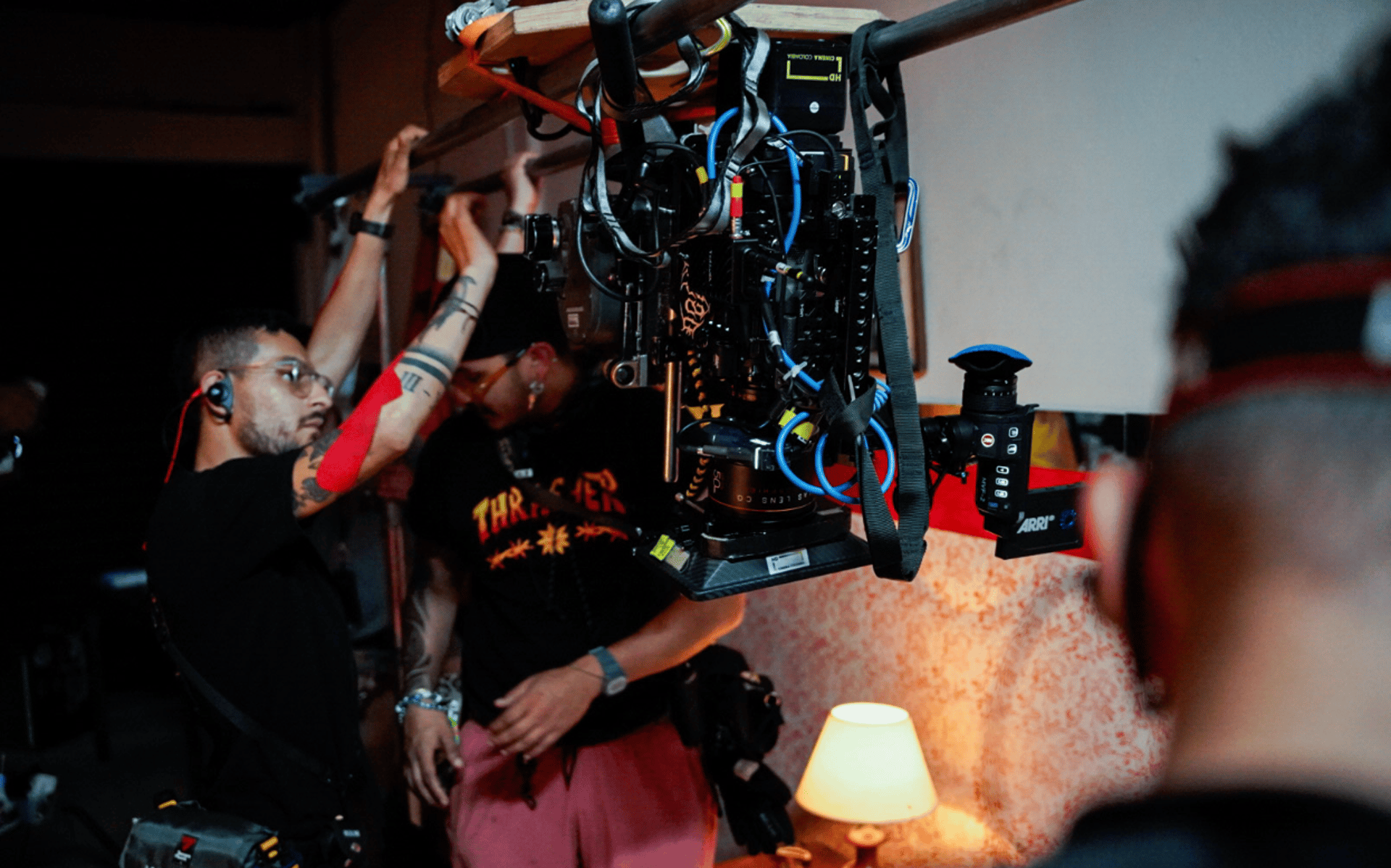
The art department is one of the most essential pillars of film production, as it defines the visual appearance of the feature film and shapes how the audience perceives its narrative universe. Its scope is broad and requires meticulous planning to ensure aesthetic coherence, continuity, and full functionality throughout the shoot. In a professional budget, this department typically represents a significant portion of the total cost due to the volume of materials, specialized labor, and preparation time involved.
A complete art department budget typically includes:
Production Design:
This is the process of conceptualizing the film’s overall visual aesthetic. It includes moodboards, visual references, color palette definitions, materials, architectural styles, and everything required to build the visual world. It also covers design meetings, location visits, and the creation of detailed plans for executing each set or artistic intervention.
Set Construction:
For scenes that cannot be shot on real locations or that require total control over the environment, sets are built from scratch in studios or adapted spaces. This involves carpentry, structural work, painting, textures, decoration, and full set assembly. Costs can increase depending on the scale of the set, the complexity of its details, and the specific requirements of the script—for example, period sets, historical recreations, or fantasy environments.
Props & Set Dressing:
Every object within the frame must contribute to the story and the visual aesthetic. This category includes furniture, character-specific action props, period items, weapons, documents, devices, and custom-made elements created for specific scenes. Some props may require handcrafted fabrication or the rental of unique pieces, which directly affects the budget.
Wardrobe & Makeup:
These areas complement the visual construction of each character and their context. Wardrobe may involve original design and tailoring, purchasing garments, renting specialized pieces, or adapting existing clothing. Makeup considerations include camera tests, specific character looks, special effects makeup (SFX), hair styling, and continuity throughout the production. Both departments work harmoniously to ensure consistent visual characterization in every scene.
The art department is fundamental in shaping the project’s atmosphere, tone, and identity. Its ability to transform spaces and create worlds—whether realistic or entirely imagined—makes it one of the most creative and demanding areas within film production. Investing appropriately in this department ensures that the film has a solid, compelling, and memorable visual language for its audience.
6. Post-Production
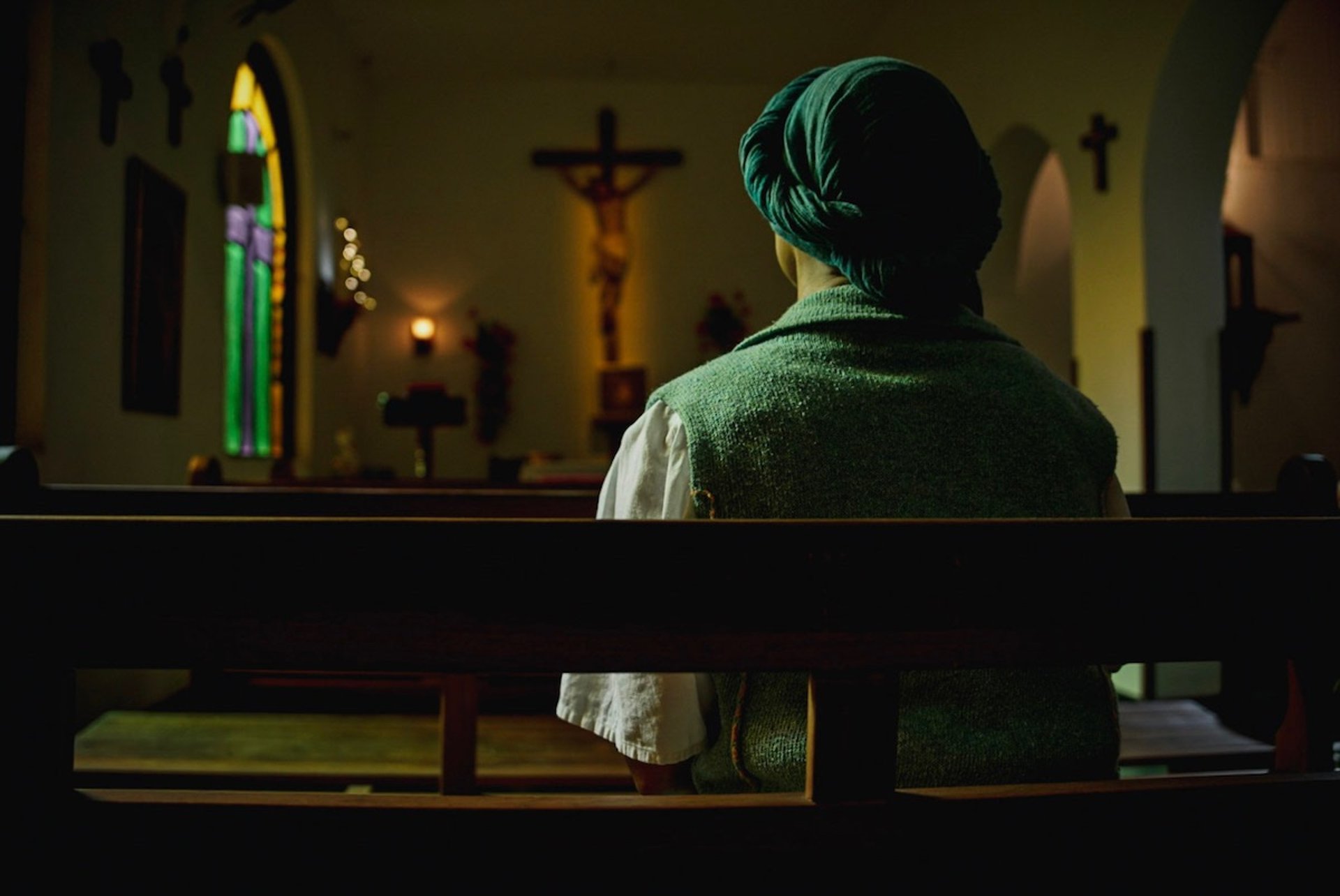
Post-production is the stage in which a feature film takes its final form, where every element captured during shooting is organized, refined, and perfected to achieve the finished version that will reach audiences. In a professional budget, this section is detailed with precision, as it involves multiple specialized processes, dedicated teams, and advanced technologies that ultimately determine the film’s final quality.
A comprehensive post-production budget typically includes:
Picture assembly and editing:
This phase brings together all the recorded material to build the narrative rhythm, select the best takes, and ensure dramatic coherence throughout the story. Costs may vary depending on the project’s length, narrative complexity, the amount of raw footage, and whether additional versions are required for festivals, platforms, or international sales.
Color correction and professional color grading:
At this stage, tones, shadows, exposure, and contrast are adjusted to achieve a unified visual aesthetic. Cinematic color grading shapes the emotional atmosphere and visual style—whether naturalistic, dramatic, period-specific, or highly stylized. This process is carried out with specialized tools such as DaVinci Resolve and is often one of the most valued components due to its strong impact on perceived quality.
Sound design and mixing (5.1 or 7.1):
Sound is essential to the cinematic experience. This stage involves cleaning dialogue, designing ambiences, creating sound effects, and integrating original or licensed music. Mixing in 5.1 or 7.1 depends on the intended distribution—cinema, digital platforms, or television. The more complex the soundscape, the higher the associated cost.
VFX and compositing:
Visual effects enhance storytelling through digital enhancements, background replacements, 3D animation, simulations, CG integration, or the removal of unwanted elements. Costs vary according to the number of shots involved and the sophistication of the required effects.
Motion graphics:
Used for titles, lower thirds, maps, digital interfaces, animations, and any 2D or 3D graphic element that visually supports the narrative. This is especially relevant in documentaries, period pieces, or sequences requiring explanatory visualizations.
Colombia is home to post-production studios recognized across the region, equipped with state-of-the-art technology and certified professionals capable of handling high-level projects. From independent features to international co-productions, the country offers globally competitive quality, making post-production a significant value-added component in any professional film budget.
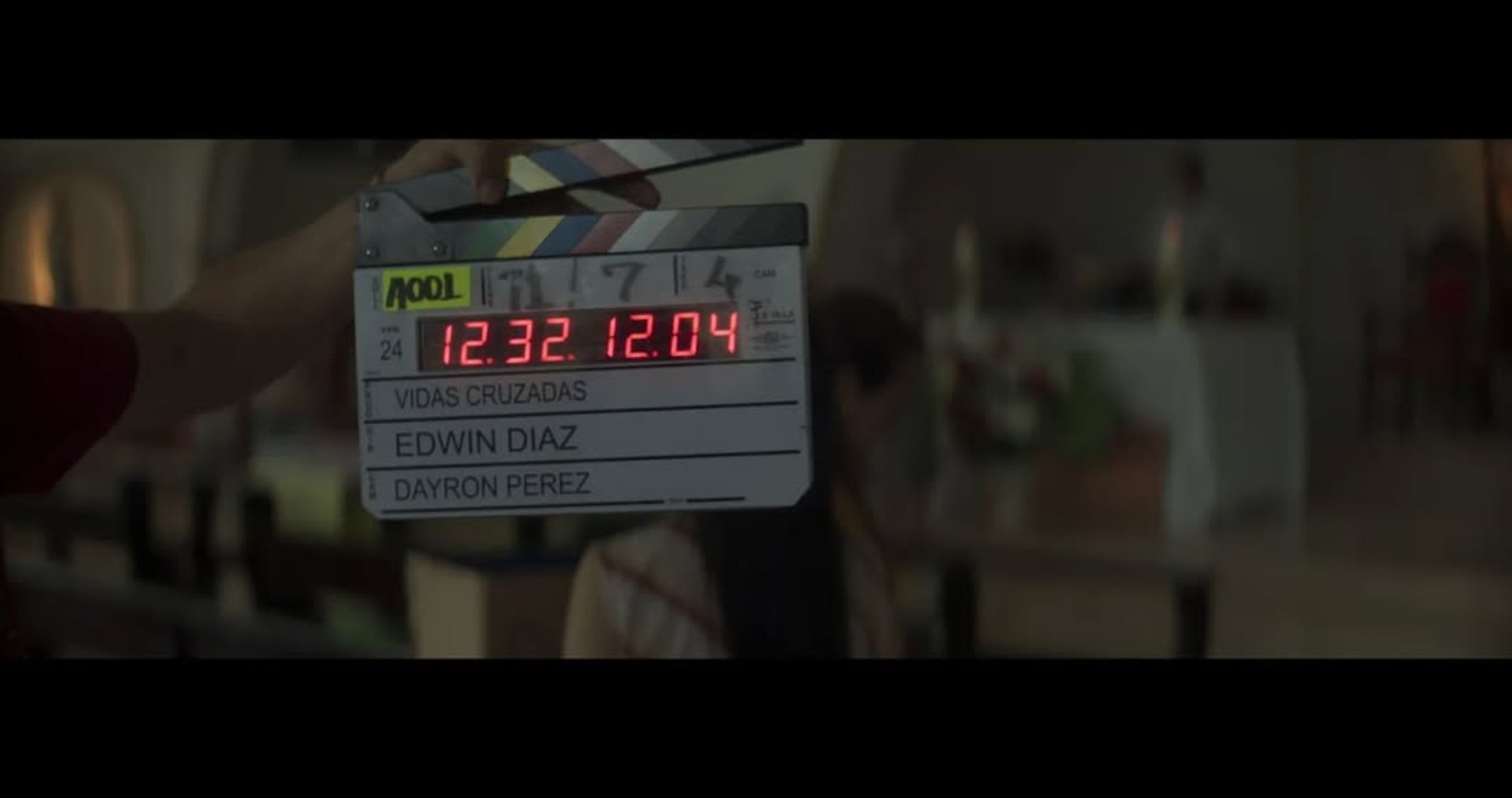
In Colombia, it is possible to access all the services required to produce a feature film that meets international standards, and La Villa Producciones is one of the companies that offers a fully integrated workflow across all stages: development, pre-production, shooting, art department, casting, logistics, technical coordination, specialized crew, and complete support through final delivery.
In addition, La Villa collaborates with strategic post-production partners who elevate the project’s quality, such as 16A13and Valencia Producciones for editing, color grading, VFX, and finishing, as well as Amniótica for production sound, sound design, and multichannel mixing. These partners help ensure a solid, creative, and professional pipeline from start to finish.
La Villa also guides and manages the process to take full advantage of Colombia’s film incentives, including Law 1556and Law 814, optimizing budgets and ensuring that each production benefits from the country’s available stimulus programs.
In this way, Colombia stands out as a competitive destination for film production, with La Villa Producciones positioned as a reliable partner capable of bringing any feature film to life with quality, efficiency, and comprehensive technical support.
Los mejores artistas recomiendan LA VILLA PRODUCCIONES