Roles on a Film Set: Who Does What in an Audiovisual Production
Discover the main roles on a film set, who does what, and why each position is essential for an organized, efficient, and high-quality audiovisual production.
2/19/202614 min read

Introduction: What Is a Film Set and Why Does Knowing Its Roles Matter?
A film set is much more than cameras, lights, and actors in front of a scene. It is a workspace where multiple creative, technical, and logistical disciplines converge and must function in a coordinated manner for an audiovisual production to be successfully carried out. From small projects to large-scale productions, the proper understanding of the roles on a film set makes the difference between a chaotic shoot and one that is organized, efficient, and professional.
Knowing who does what on a set is not only important for those who work directly in the audiovisual industry, but also for clients, brands, and producers who hire production services. Each role fulfills a specific function that directly impacts the shooting time, the budget, the visual and sound quality, and the narrative coherence of the project. When roles are well defined, decisions are made more clearly and processes flow more effectively.
Additionally, understanding the roles allows appreciation of the teamwork behind every image. An audiovisual production does not depend on a single person, but on collaboration among departments that must constantly communicate: direction, cinematography, sound, art, production, and logistics. Each area contributes specialized knowledge that complements the others to transform an idea into a solid and well-executed audiovisual piece.
In an environment where timelines are often tight and decisions must be made quickly, clarity about each team member’s functions prevents mistakes, rework, and misunderstandings. For this reason, knowing the roles in an audiovisual production not only improves internal organization on set, but also raises the professional standards of the project and optimizes the final results.
In this article, we will clearly and systematically explore the main roles on a film set, explaining who does what and why each function is essential within the audiovisual process. A guide designed both for those starting in the field and for those who wish to better understand how a professional shoot is structured.
What Does “Roles on a Film Set” Mean?
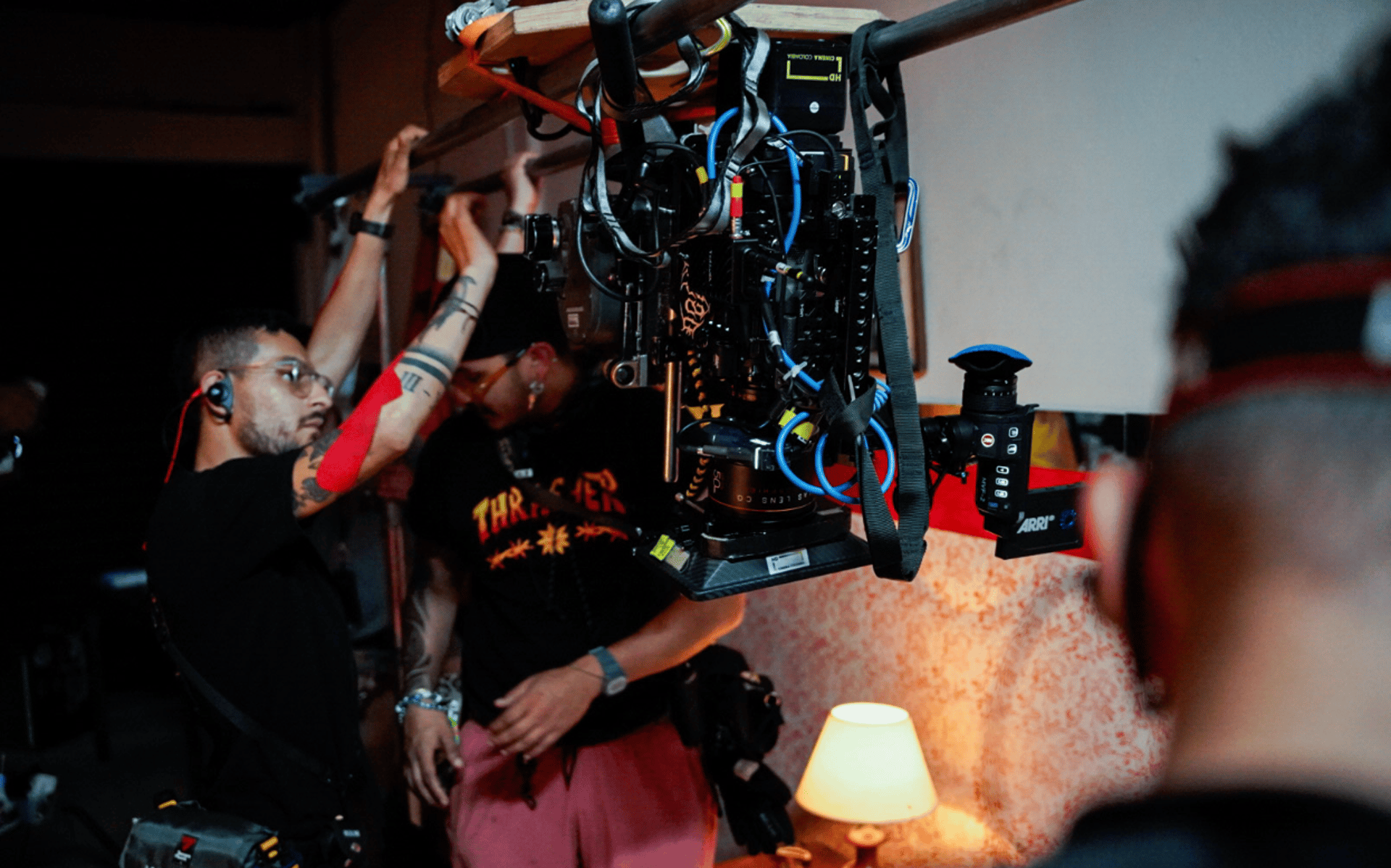
In an audiovisual production, the film set operates as a system in which each person fulfills a specific and necessary function. These functions do not exist in isolation, but are articulated with one another to allow the shoot to move forward in an organized, efficient manner consistent with the project’s objectives. Understanding this structure is fundamental to grasping how an audiovisual piece is built from idea to its materialization on screen.
Each team member has clearly defined responsibilities that correspond to a stage of the creative or technical process. Some roles focus on artistic decision-making, others on technical execution, and others on logistical coordination. All are equally important, since the work of one directly depends on the work of the others. When one function fails or is not clearly defined, the impact is felt across the entire team and in the final result.
These functions are organized by departments, which allows better communication and more efficient task distribution. Direction, cinematography, sound, art, production, and assistance work in parallel, aligned under the same narrative and visual objective. This organization prevents confusion, reduces errors, and allows each professional to focus on their area of expertise without losing sight of the overall project.
A clear definition of roles on set also helps optimize shooting time. In an environment where every minute counts, knowing whom to approach to resolve a question, make a decision, or execute a specific action is key to maintaining workflow. This results in more efficient workdays, better use of resources, and a more organized working experience for the entire team.
Understanding how responsibilities are distributed during a shoot also allows appreciation of the collective effort involved in an audiovisual production. Behind every shot, every scene, and every technical detail there is a group of people coordinating efforts, making decisions, and solving problems in real time. This structure is the foundation upon which solid, professional productions aligned with industry standards are built.

Main Roles on a Film Set and Their Functions
Director – The Creative Vision of the Project
The director is the central figure within the creative team, as they define the narrative intention and overall approach of the production. Their work begins in the earliest stages of the project, when they analyze the script, interpret the story, and establish how they want the audience to experience each scene. This vision becomes the main guide throughout the entire production process.
During the shoot, the director is responsible for directing the actors and making decisions related to staging, rhythm, and narrative coherence. Communication with the cast is essential to achieve believable performances aligned with the project’s tone. Every instruction, adjustment, or retake responds to the pursuit of a specific intention within the story.
The director also works constantly with the different technical and creative departments. Although they do not directly execute all tasks, they supervise that each area contributes coherently to the overall idea of the project. This involves evaluating visual, sound, and artistic proposals and making decisions that maintain unity within the narrative.
Another key function of this role is adaptability. On a film set, it is common to face unforeseen circumstances, weather changes, schedule adjustments, or technical limitations. The director must respond strategically, finding solutions that allow the shoot to continue without losing the essence of the project or affecting its quality.
Overall, the director acts as the creative axis that connects the entire team. Their leadership, clarity, and ability to communicate the project’s vision directly influence the work environment and the final result of the audiovisual production.
1st and 2nd Assistant Director – Organization and Rhythm
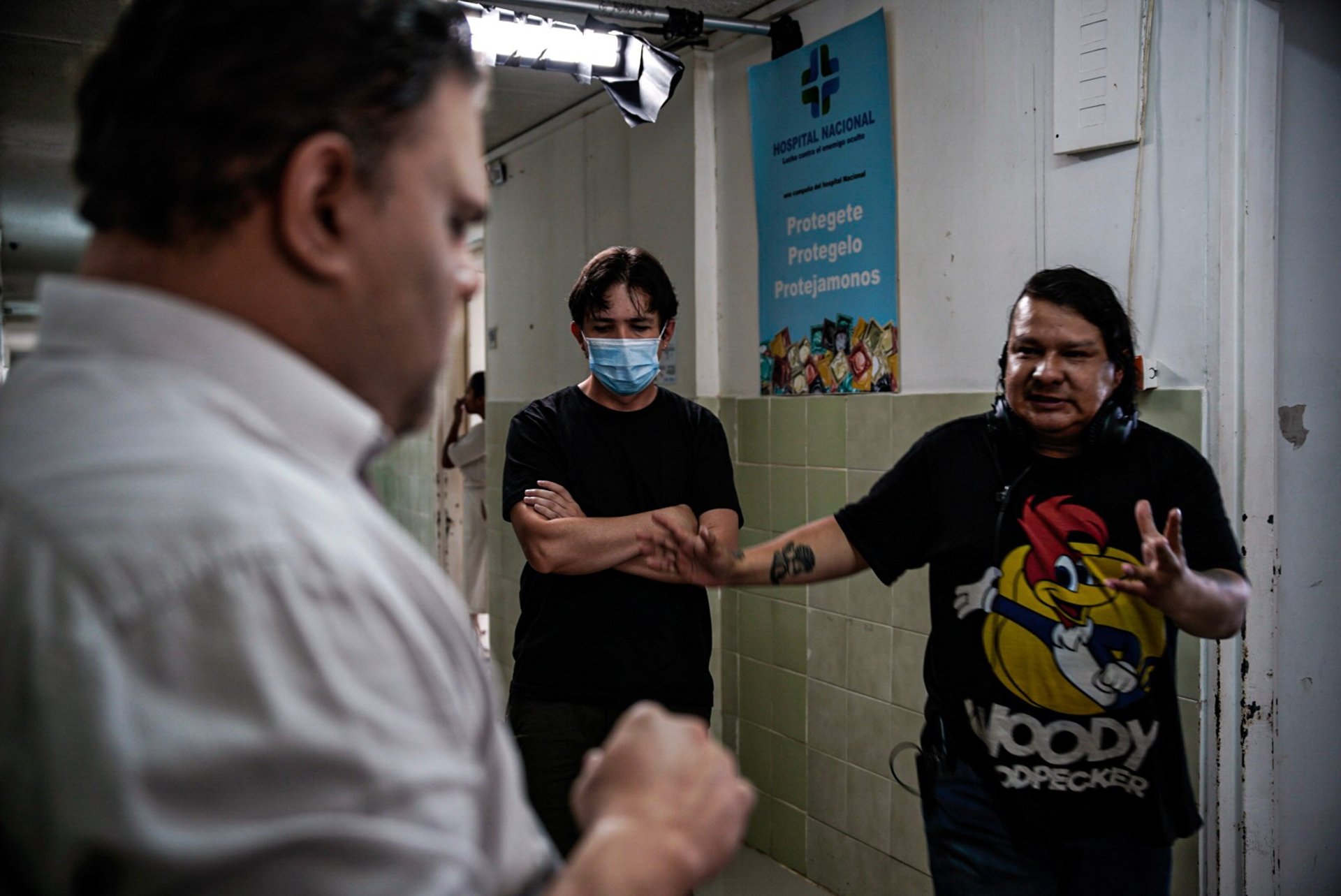
The first and second assistant directors fulfill a fundamental role in the overall organization of the shoot. Their main responsibility is to transform the creative plan into a clear and executable work structure, ensuring that each day unfolds according to the established schedule. They are the ones who turn planning into action and maintain the rhythm of the set throughout the entire production.
The first assistant director is the person who directly coordinates the functioning of the shoot. They are responsible for organizing the order of scenes, controlling time, coordinating the different departments, and ensuring that everyone is ready when required. Their work requires a global vision of the project, as they must balance creative needs, technical limitations, and logistical conditions without affecting the development of the shoot.
During the workday, this figure is key to maintaining order and concentration on set. They are the one who makes the calls, controls silence, announces timing, and ensures that each department is prepared before a take begins. Thanks to their intervention, the team can work in a more fluid and focused manner, avoiding unnecessary delays and operational confusion.
For their part, the second assistant director supports the organization from a more operational and logistical level. They are responsible for coordinating cast call times, managing schedules, communicating with actors and extras, and constantly updating shooting information. Their work ensures that everyone knows where they need to be and at what time, which is essential to maintaining the flow of the day.
Both assistants act as a bridge between direction, production, and the rest of the team. Their ability to communicate clearly and effectively allows information to circulate properly, reducing errors and improving coordination between departments. In addition, they are often the ones who anticipate potential problems, proposing practical solutions before they affect the development of the shoot.
Together, the first and second assistant directors are responsible for sustaining the work rhythm and order within the set. Thanks to their work, the team can focus on their specific functions, the director can concentrate on the creative aspects, and the production moves forward in an organized, efficient, and professional manner.
Sound Recordist and Boom Operator – Sound Capture on Set
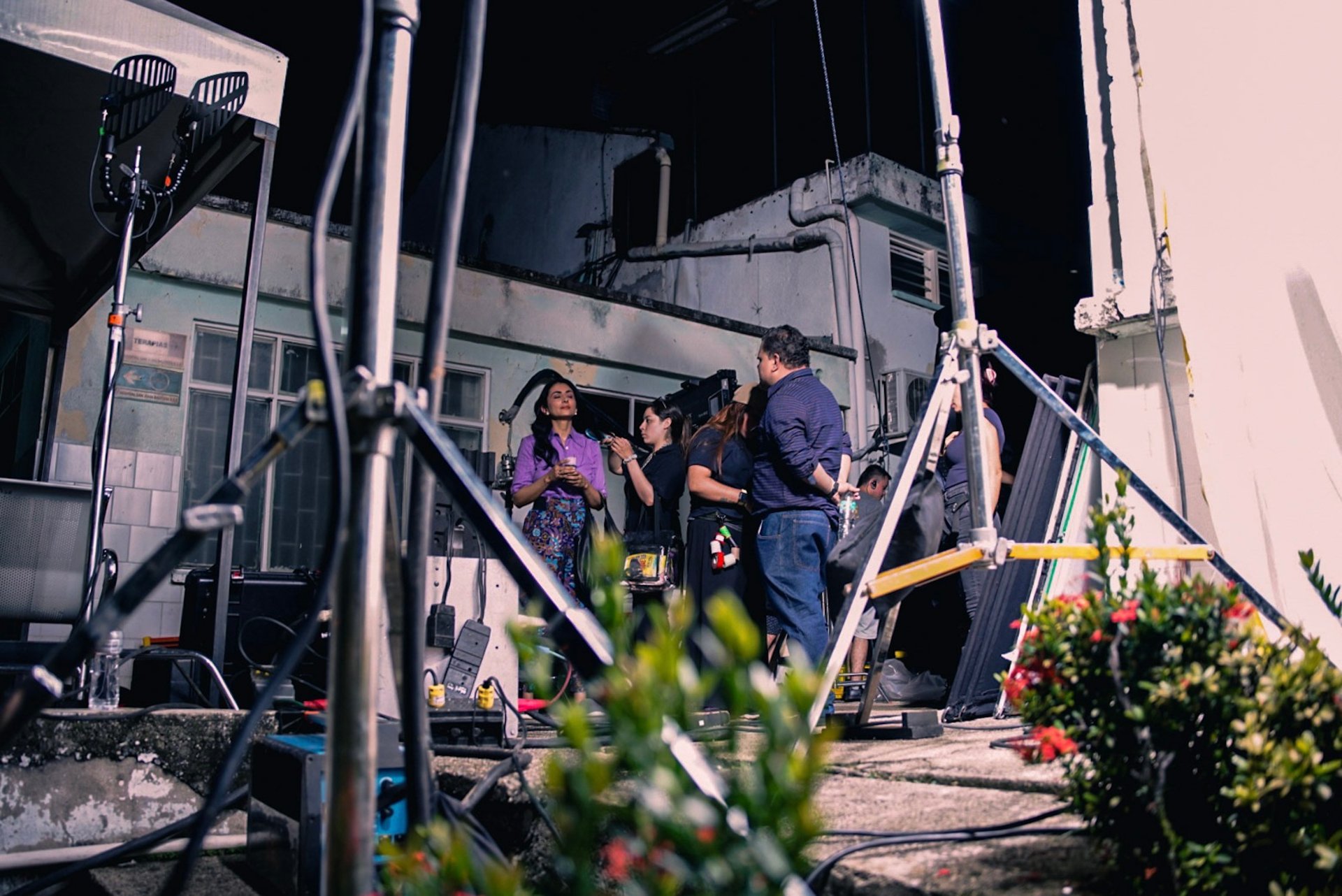
The work of the sound recordist and the boom operator is essential to ensure that the audio recorded during the shoot is clear, clean, and functional for post-production. Although their work often goes unnoticed compared to the visual aspect, sound is one of the fundamental pillars of any audiovisual production. A good sound recording can elevate a scene, while poor audio can seriously compromise the quality of the final project.
The sound recordist is responsible for designing and executing the audio recording strategy during the shoot. This involves selecting the appropriate microphones, adjusting levels, constantly monitoring sound quality, and anticipating possible interference. Their work requires attentive listening and a high level of concentration, as they must detect unwanted noise, volume variations, or technical issues in real time.
In addition, the sound recordist must adapt to environmental conditions. Recording outdoors, indoors, in open spaces, or in locations with environmental noise presents different challenges that require specific solutions. Managing wind, echo, ambient sounds, and external interference is part of the daily work of this role, which must find the best way to capture clear dialogue without losing naturalness.
The boom operator, for their part, fulfills a key physical and technical function on set. They are the one who holds and precisely positions the directional microphone to capture the actors’ voices without the microphone appearing in frame. This work demands coordination, physical endurance, and a clear understanding of framing, camera movements, and actors’ marks.
Communication between the sound recordist and the boom operator is constant and fundamental. Both must work in sync to adjust positions, anticipate movements, and ensure that each take has optimal sound recording. This coordination becomes even more important in scenes with movement, complex dialogue, or changes in rhythm.
In addition to direct sound capture, this department is usually responsible for recording ambient sounds and sound resources that will later be useful in editing. These elements help provide continuity, depth, and realism to scenes, facilitating work during the post-production stage.
Together, the sound recordist and the boom operator provide a solid sound foundation that supports the audiovisual narrative. Their work allows emotions, dialogue, and actions to be perceived clearly and immersively, contributing directly to the professional quality of the project and to the viewer’s final experience.
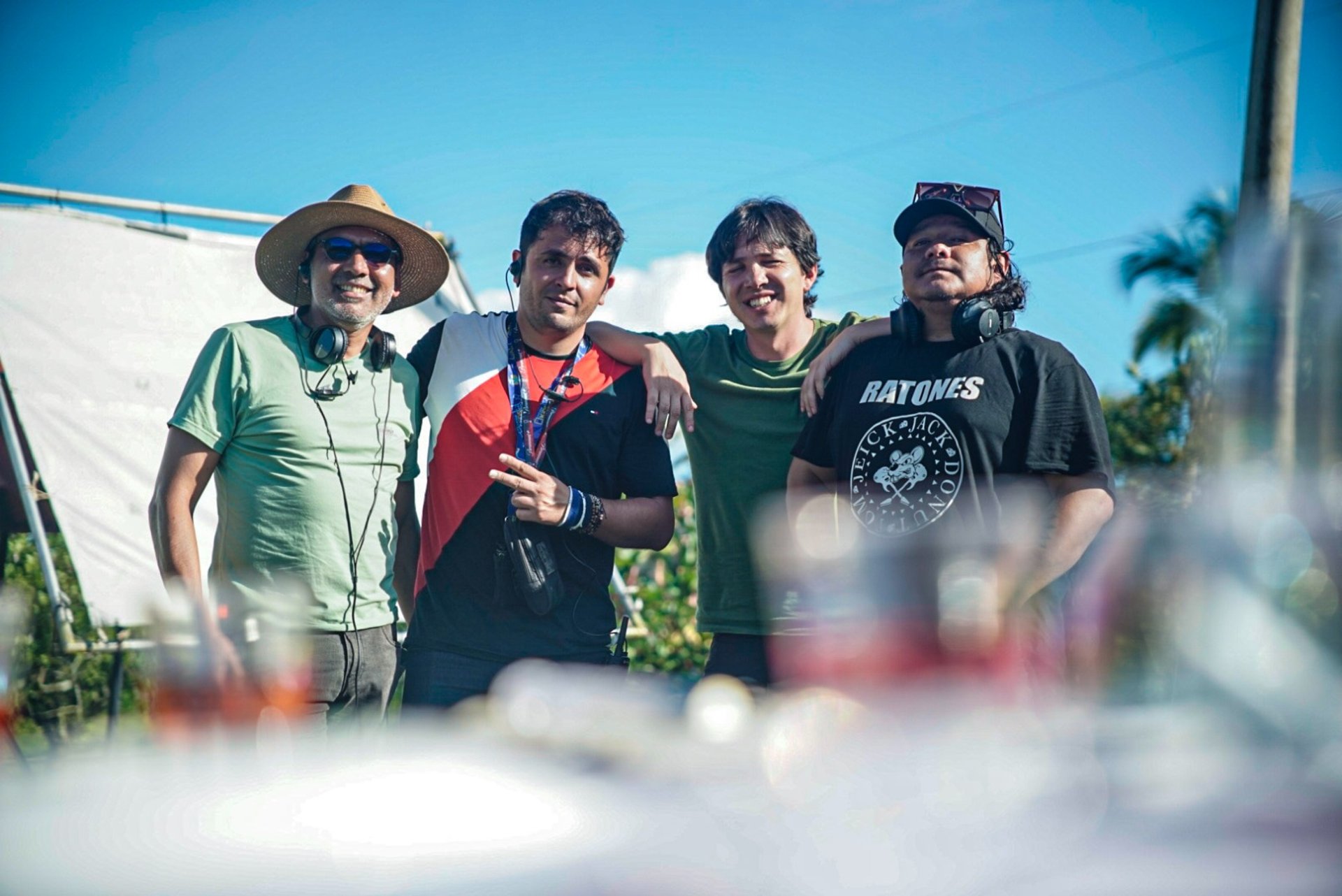
Key Grip and Gaffer – Technical Support and Light
The key grip and the gaffer make up two fundamental technical roles for the physical and visual control of a scene. Their work focuses on making possible what the director of photography has conceived on an aesthetic level, ensuring that the camera and light function safely, precisely, and coherently with the narrative intention of the project.
The key grip is responsible for all technical support related to the camera and movement control. This includes structures, tracks, tripods, rigs, flags, diffusers, and any element that helps position the camera or modify light indirectly. Their work requires not only technical knowledge, but also a clear understanding of framing and movement, since many of their decisions directly affect the final image.
In addition, the key grip must guarantee safety on set. By working with heavy equipment and complex structures, their role is key in preventing accidents and ensuring that everything is properly installed and secured. This responsibility involves constant review of the shooting environment and close coordination with the camera and production teams.
On the other hand, the gaffer is the head of the lighting department and the person in charge of executing the lighting design planned for each scene. They work directly with the director of photography to define how the space is lit, how faces are shaped, and how the appropriate visual atmosphere is created according to the tone of the story. Their work turns an abstract idea into a concrete technical solution.
The gaffer coordinates the electrical team, organizes light distribution, manages cabling, and adjusts the intensity, direction, and quality of light according to the needs of each shot. Their ability to quickly adapt to scene changes, weather conditions, or last-minute adjustments is essential to maintain the visual continuity of the project.
Collaboration between the key grip and the gaffer is constant. Both work in a complementary way to control light and space: while one focuses on physical support and modification, the other concentrates on the source and behavior of the lighting. This synergy allows them to solve complex technical challenges and maintain aesthetic coherence throughout the shoot.
Together, these roles ensure that the image is not only visually attractive, but also technically solid and safe. Their work, although often invisible to the viewer, is indispensable for achieving a professional result and for the set to function efficiently and in an organized manner.

Art Department and Set Dresser – Creating the Environment of the Scene
The art department is responsible for building the visual universe in which the story unfolds. Their work consists of designing and shaping the spaces that appear on screen, ensuring that each visual element reinforces the narrative and provides information about the characters, the context, and the tone of the project. Nothing within the frame is accidental: each object has an intention and a reason for being there.
Within this department, the set decorator and the set dresser fulfill complementary functions. The set decorator defines the general style of the spaces, selecting colors, textures, furniture, and elements that help build the appropriate atmosphere for each scene. Their work begins with prior research that may include visual references, script analysis, and conversations with direction and cinematography to ensure aesthetic coherence.
The set dresser, for their part, executes and maintains the space during the shoot. They are the one who places objects, adjusts details, ensures visual continuity between takes, and makes sure that the set remains as designed throughout the day. Their attention to detail is key to avoiding errors that could affect editing or break the credibility of the scene.
The art department also plays a fundamental role in character construction. Through environment, objects, and props, aspects of personality, history, and emotional state can be revealed without the need for dialogue. An orderly or chaotic space, a worn object or one carefully preserved, communicate narrative information visually and subtly.
During the shoot, this team works constantly and quietly, making adjustments between takes, solving unforeseen issues, and adapting spaces according to camera or lighting needs. This capacity for quick response allows the set to maintain visual coherence without interrupting the rhythm of the shoot.
Together, the art department and the set dresser are responsible for ensuring that each scene has identity, depth, and credibility. Their work provides context, reinforces the narrative, and decisively contributes to immersing the viewer in the story from the first shot to the last.
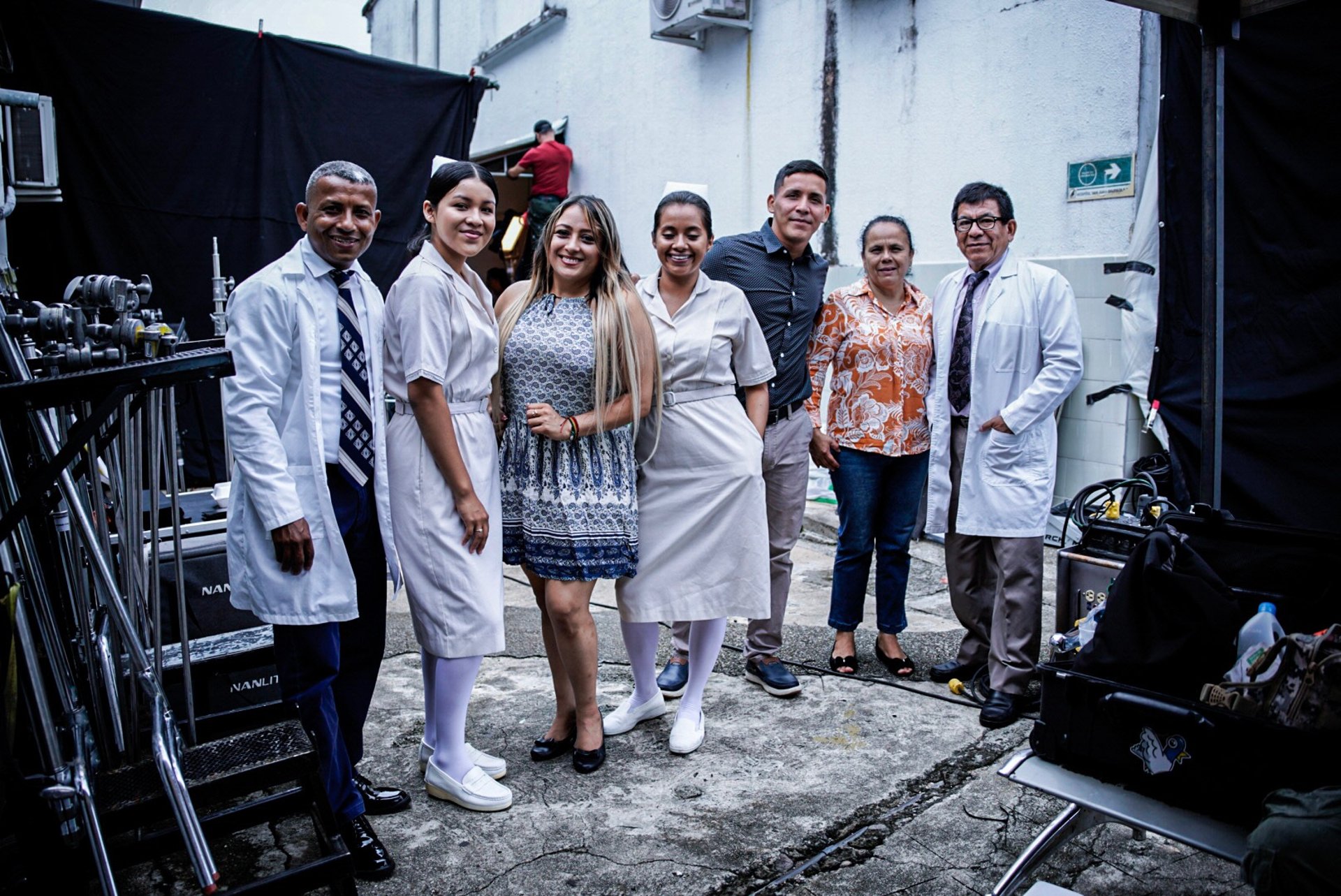
Wardrobe and Makeup – Character Construction
The wardrobe and makeup area fulfills an essential role in the visual construction of the characters and in the narrative coherence of the production. Through clothing, colors, textures, and the aesthetic design of makeup and hairstyling, these departments provide key information about each character’s personality, social context, time period, and emotional state. Their work goes far beyond aesthetics: it is a powerful narrative tool.
The wardrobe team is responsible for selecting, designing, or adapting the clothing worn by actors in each scene. These decisions are made based on script analysis, research into historical or social context, and conversations with direction and the art department. Each garment must respond to a clear intention and remain consistent throughout the shoot, respecting continuity between scenes and shooting days.
Wardrobe must also adapt to the technical needs of the shoot. Camera movements, physical actions, lighting changes, or weather conditions directly influence the choice of fabrics, colors, and cuts. In addition, this team is responsible for the care, maintenance, and control of garments during filming, ensuring that they remain in the correct condition for each take.
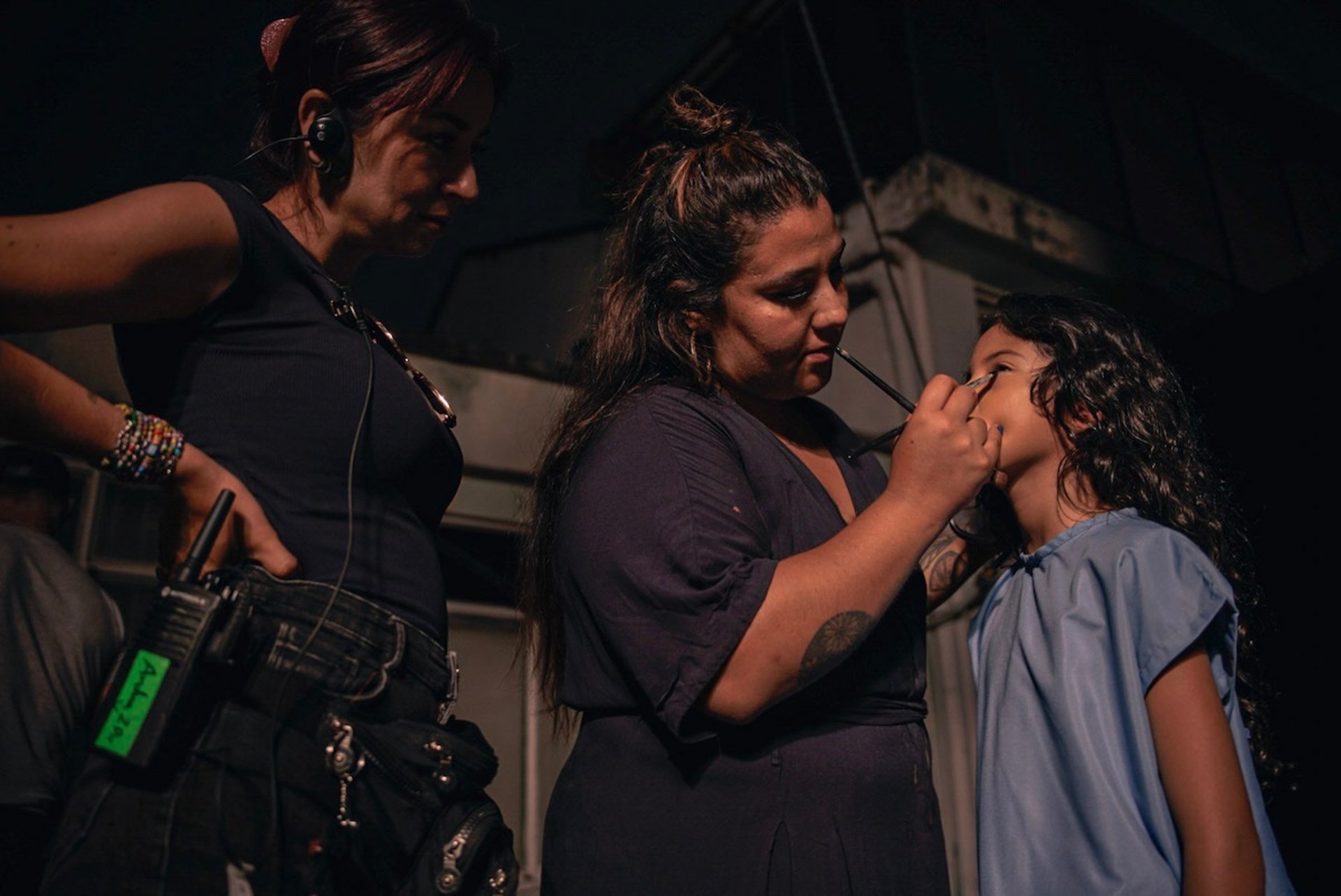
For its part, the makeup and hairstyling department works on the physical characterization of the characters. Through makeup, features can be enhanced, the passage of time can be marked, emotional states can be highlighted, or more complex transformations can be created according to the story. Hairstyling, like wardrobe, provides visual information that helps the viewer better understand who each character is and at what point in the story they are.
During the shoot, both teams make constant adjustments to guarantee visual continuity. Small details such as skin shine, hair position, or the condition of a garment can make the difference between a coherent take and a visible mistake on screen. This attention to detail is fundamental to facilitating the work during the editing stage.
Together, wardrobe and makeup contribute decisively to making characters believable, recognizable, and coherent within the narrative universe. Their work reinforces the visual identity of the project and allows actors to fully embody their roles, adding depth and verisimilitude to each scene.
Script Supervisor – Continuity and Detail
The script supervisor fulfills a fundamental role in controlling narrative and visual coherence during the shoot. Their main responsibility is to ensure that everything filmed maintains logical continuity between takes, scenes, and shooting days. This work requires constant attention to detail and a deep understanding of the script and the project’s structure.
During the shoot, the script supervisor carefully records each take that is made. They note dialogue, actors’ movements, positions within the frame, use of props, specific actions, and any variation that occurs between one take and another. This information is key to avoiding errors that could break continuity when the material reaches the editing stage.
In addition, this figure acts as a point of support for the director and the editing team. By keeping detailed control of what has been filmed, they can suggest retakes, alert about inconsistencies, or confirm whether a take meets what is necessary to maintain coherence in the narrative. Their intervention helps prevent problems that, if not detected in time, could involve additional costs or difficulties in post-production.
The work of the script supervisor is also essential when scenes are not shot in chronological order, which is common in most audiovisual productions. In these cases, their detailed records allow the story to be reconstructed logically, ensuring that the narrative development is clear and understandable for the final viewer.
Constant communication with direction, cinematography, art, wardrobe, and makeup is another key part of their work. When detecting changes or adjustments in a scene, the script supervisor coordinates with the different departments so that these are consistently reflected in subsequent takes, avoiding visual or narrative errors.
Together, the script supervisor is the guardian of the project’s continuity. Their silent but meticulous work guarantees that the story flows coherently, that details remain aligned, and that the filmed material is solid and functional for the editing stage, contributing directly to the final quality of the audiovisual production.
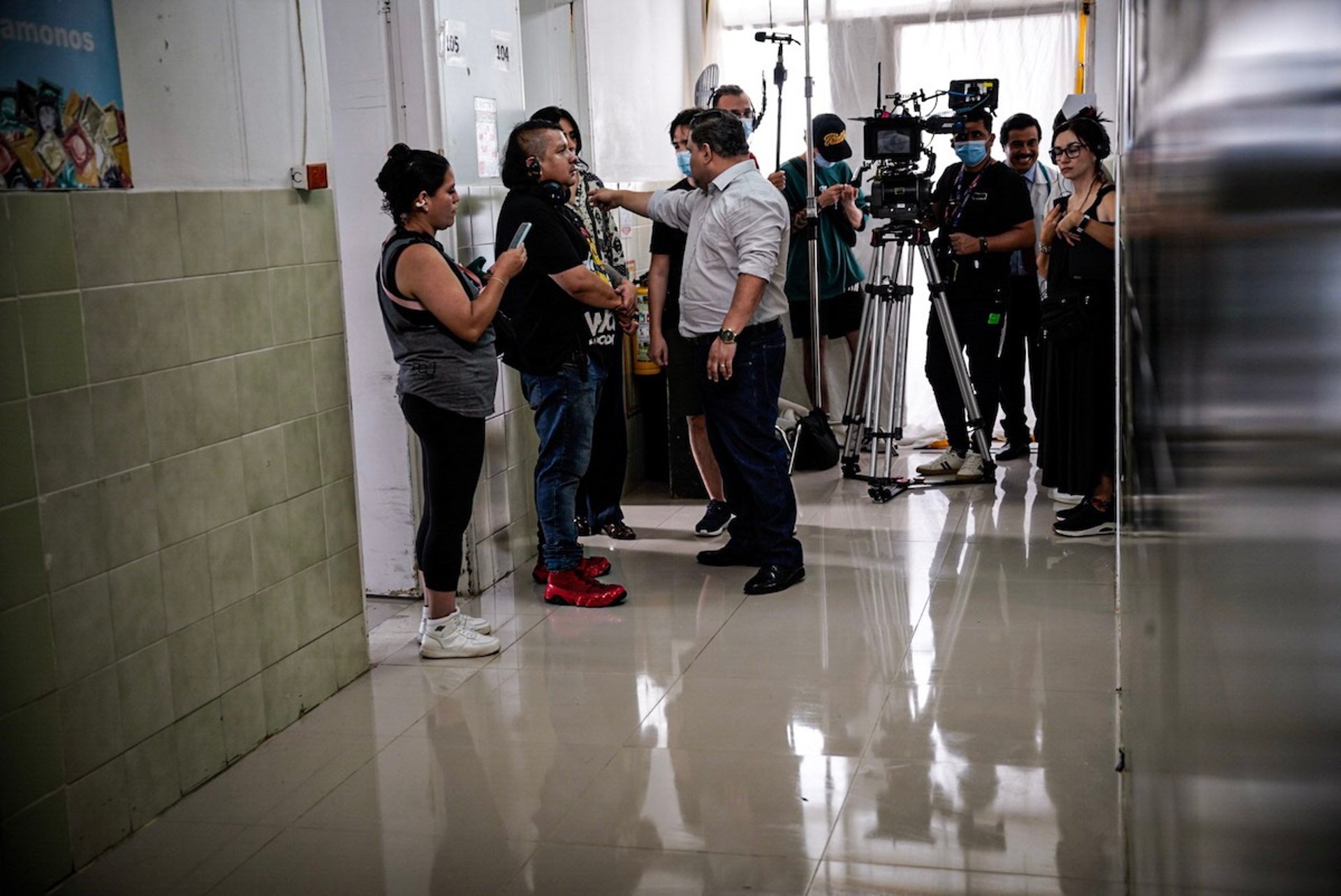
Other Roles: Extras, Services, and Logistics
In addition to the main creative and technical roles, an audiovisual production requires a series of complementary functions that ensure the shoot can develop in a fluid and organized manner. Although they are often not in front of the camera nor making creative decisions, these roles are indispensable for the proper functioning of the set and for the general well-being of the team.
Background actors or extras play a key role in building scenes that require human volume and realism. Their presence helps bring life to spaces such as streets, events, meetings, or everyday environments, providing context and credibility to the story. Proper coordination of these actors involves organization, time control, and clarity in instructions so that their actions integrate naturally into the scene without distracting attention from the main narrative.
On the other hand, catering services on set fulfill an essential function during shooting days that are usually long and demanding. Keeping the team fed and hydrated is not only a matter of logistics, but also of care and performance. A team that has organized breaks and adequate conditions can maintain concentration, energy, and a more positive working environment throughout the day.
Logistics and transportation are another fundamental pillar within a production. Transportation coordinators are responsible for moving the technical team, cast, and equipment between locations, ensuring that everything arrives on time and in proper condition. This work requires prior planning, knowledge of routes, schedule control, and the ability to respond to last-minute changes.
These roles also include tasks such as access control, organization of common areas, management of downtime, and operational support for the different departments. Their presence allows creative and technical teams to focus on their specific functions without worrying about operational aspects that, if not covered, could generate delays or disorganization.
Together, extras, services, and logistics sustain the invisible structure of the shoot. Thanks to their work, the set functions as a coordinated system in which each area can develop efficiently. Although their work is not always visible on screen, their impact is direct on the rhythm, order, and overall quality of the audiovisual production.
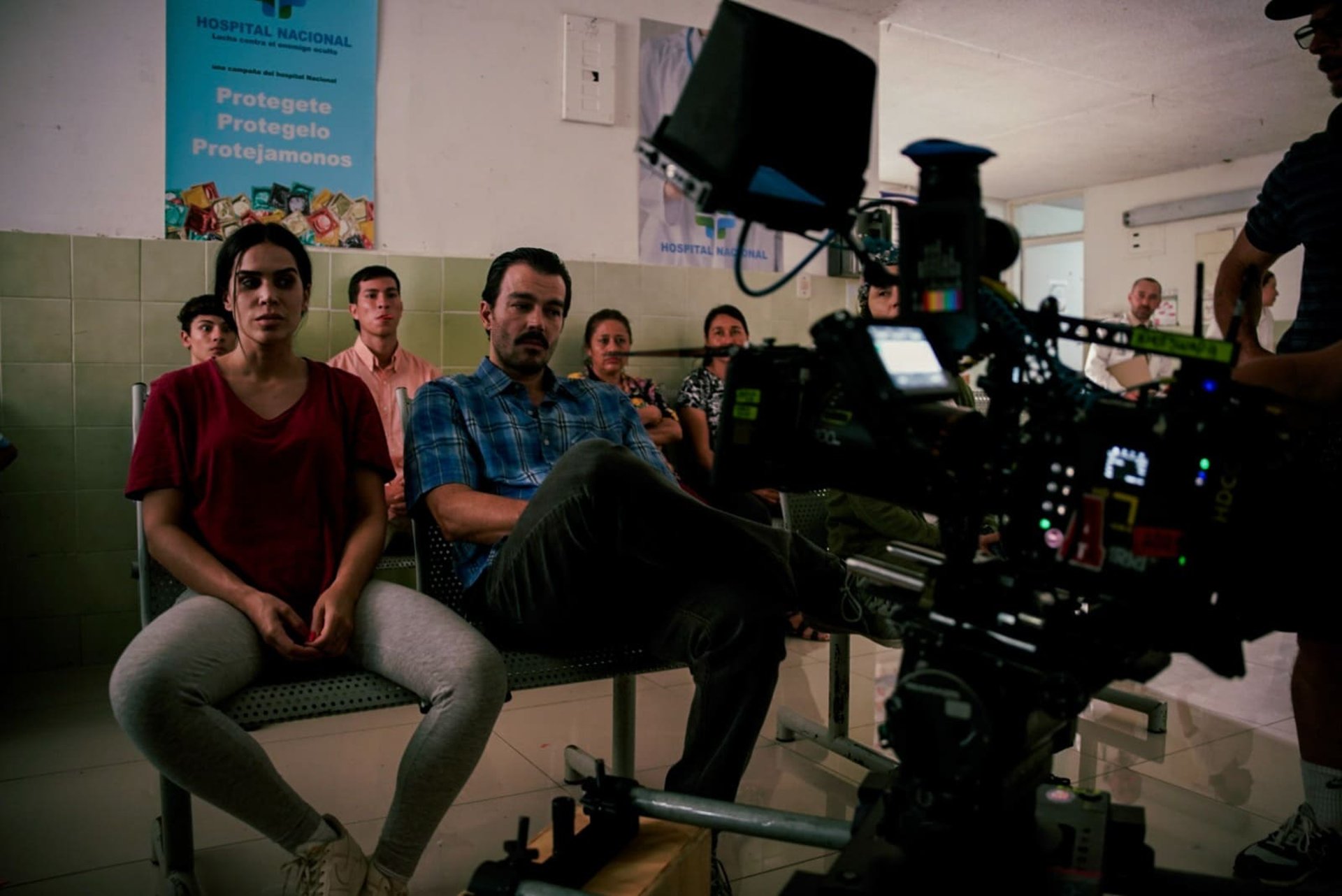
Why Is It Important to Know Who Does What on a Film Set?
Understanding how responsibilities are distributed within a shoot is key for an audiovisual production to function in an organized and professional manner. When each team member knows their function and that of others, the work flows more clearly and errors that usually arise from confusion or lack of communication are reduced. This understanding benefits not only the technical and creative team, but also producers, clients, and brands who are part of the process.
One of the main benefits of having clarity about functions on set is the improvement in communication between departments. When each area knows whom to approach to resolve doubts, make decisions, or execute changes, duplication of tasks is avoided and processes are streamlined. This allows information to circulate more effectively and the team to work aligned toward the same objective.
Planning and execution of the shoot are also directly benefited. A well-organized set, where responsibilities are clear from the beginning, allows better use of time and available resources. This translates into more efficient workdays, fewer delays, and a greater capacity to adapt to unforeseen events without affecting the overall development of the project.
In addition, understanding the team’s structure helps make more accurate decisions during the shoot. Knowing who has the authority or expertise in each area allows problems to be resolved quickly and effectively, avoiding unnecessary interruptions. This clarity is especially important in contexts where time is limited and every minute counts.
From the perspective of the final result, good internal organization directly impacts the technical and narrative quality of the production. When each area fulfills its function properly and in coordination, the final product is more solid, coherent, and professional. Image, sound, performance, and staging integrate harmoniously, offering a better experience to the viewer.
Ultimately, knowing who does what within a set is not only an operational matter, but a fundamental foundation for achieving well-executed audiovisual productions. This clarity strengthens teamwork, optimizes processes, and raises quality standards, becoming a key factor in the success of any audiovisual project.
Los mejores artistas recomiendan LA VILLA PRODUCCIONES